What to Pack for Hawaii for a Week: Printable Packing List
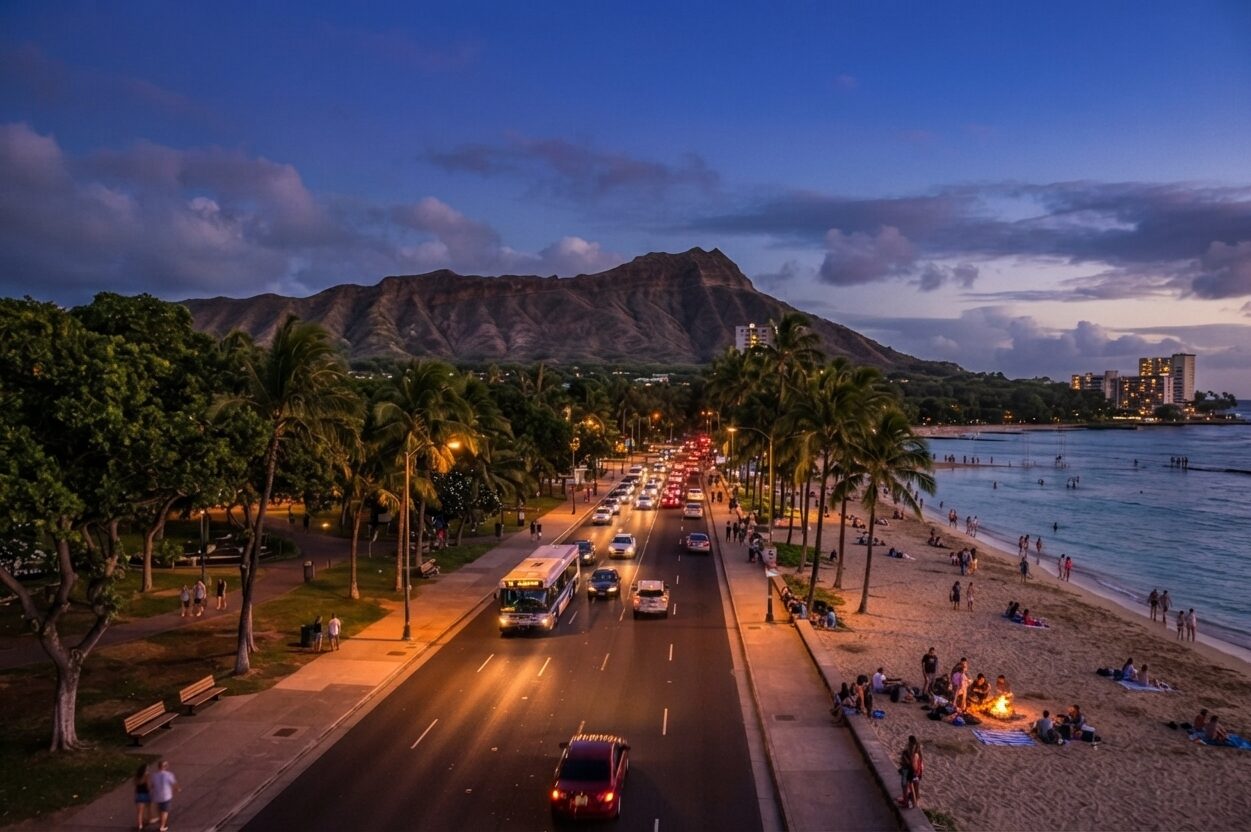
- Pack light and breathable, but don't skip warm layers if Haleakalā, Mauna Kea, or an early boat tour is on the itinerary.
- Reef-safe sunscreen isn't optional in several Hawaii counties — check the label for oxybenzone and octinoxate before you buy.
- The full category-by-category checklist below covers clothing, beach gear, hiking gear, and the stuff first-timers usually forget.
- Budgeting the trip too? See planning a trip to Hawaii for approximate cost ranges.
Clothing Essentials for Hawaii
Basic Clothing for a Hawaiian Vacation
Hawaii's daytime temperatures sit in the 75–85°F range most of the year, so lightweight, breathable fabrics do the heavy lifting — cotton, linen, quick-dry synthetics. Pack two or three swimsuits so one's always dry, a handful of t-shirts or sundresses, shorts, and one pair of long pants for a cooler evening or an air-conditioned restaurant. Bring one warm layer regardless of season; higher elevations like Maui's Haleakalā National Park or the Big Island's Mauna Kea drop into the 40s even when the coast hits 85. A light rain jacket earns its space in the bag too, since brief showers pop up even in the dry season.
Beach Essentials for Hawaii
Must-Have Beach Items
A beach blanket beats a towel for actual comfort on the sand and packs down small. Reef-safe sunscreen matters twice over — it protects your skin and keeps regular sunscreen's oxybenzone and octinoxate out of the reef ecosystems around spots like Hanauma Bay on Oʻahu. Bring a rash guard if you burn easily or plan to snorkel for hours; it beats reapplying sunscreen constantly. Water shoes help on the Big Island's lava-rock beaches and Maui's rockier coves.
- Reef-safe sunscreen (check for "non-nano zinc oxide" on the label)
- Beach blanket or mat
- Swimsuits (2–3) and a rash guard
- Snorkel gear, if you'd rather bring your own than rent
- Dry bag for phones and wallets near the water
Gear for Outdoor Adventures
Hiking Gear for Hawaii's Trails
Sturdy hiking shoes with real tread matter on Hawaii's volcanic trails, which run muddy, rocky, and occasionally slick with rain even on a sunny day. A day pack backpack carries water, snacks, sunscreen, and that warm layer for anything longer than an hour on foot. Pack at least a liter of water per person for shorter hikes and more for anything at Hawaii Volcanoes National Park or along Kauai's Napali Coast trail. Include a warm layer again here — Haleakalā's crater rim trails and Mauna Kea's summit area run cold no matter what the beach reads that day.
Weather Considerations
Preparing for Hawaii's Climate
Hawaii runs a tropical climate with two loose seasons: drier from May to October, wetter November through April, though rain mostly arrives as short afternoon showers rather than all-day washouts. Windward coasts (Hilo, Hana) see more rain than leeward coasts (Kona, Waikiki, Kihei). Pack a light rain shell, a warm layer for elevation, and reef-safe sunscreen for UV that stays strong even under cloud cover.
Island-Specific Packing Tips
Packing for a Trip to Maui
Maui rewards a bit of extra prep. If the Road to Hana is on your list, pack snacks and a physical map or downloaded offline map — cell coverage drops out along much of the drive. A day pack backpack works well for waterfall stops and short hikes off that road. If Haleakalā sunrise is planned, bring a proper jacket or fleece; sunrise temps at the summit regularly sit near freezing. A beach blanket earns its keep again at Kaanapali or Wailea's beaches. For the full Maui itinerary picture, see plan a trip to Maui, Hawaii.
Sustainable Packing Practices
Eco-Friendly Packing for Hawaii
Reef-safe sunscreen is the single biggest sustainability choice in your bag — regular sunscreen chemicals contribute to coral bleaching, and Hawaii's reefs are stressed enough already. A reusable day pack backpack and a refillable water bottle cut down on single-use plastic across a week of hikes and beach days. Small stuff, but it adds up across the volume of visitors the islands see each year.
| Category | Items |
|---|---|
| Clothing | Swimsuits (2–3), t-shirts/sundresses, shorts, 1 pair long pants, 1 warm layer, light rain jacket, sandals, sturdy hiking shoes |
| Beach gear | Reef-safe sunscreen, beach blanket, rash guard, snorkel gear, dry bag, sunglasses, wide-brim hat |
| Hiking/outdoor | Day pack backpack, refillable water bottle, trail snacks, offline map, blister bandages |
| Documents | Photo ID (or passport if international), printed or downloaded confirmations, travel insurance info |
| Electronics | Phone charger, portable battery pack, underwater phone case if snorkeling |
| Toiletries/health | Reef-safe sunscreen (again — you'll use more than you think), aloe gel, motion sickness tablets for boat tours, basic first-aid kit |
FAQ
Is $2000 enough for a week in Hawaii?
For a single budget traveler, generally yes, especially with lodging pre-booked and modest dining. For a couple, it's tight but possible if flights are covered separately.
How many outfits should I pack for a 7 day trip?
Plan on 4–5 daytime outfits, 2–3 swimsuits worn in rotation, and 1–2 slightly nicer outfits for dinners out — laundry access at most condos means you rarely need a full seven changes.
What not to forget when packing for Hawaii?
Reef-safe sunscreen, a warm layer for elevation, and a physical or offline map for areas with spotty cell service — the Road to Hana and Hawaii Volcanoes National Park among them.
What can't I bring to Hawaii?
Fresh fruit, plants, and soil face agricultural restrictions when entering the state, and again when flying between islands with certain produce. When in doubt, check current guidance before you pack it.
Pair this checklist with our Hawaii trip planner for a full itinerary, or start from planning a trip to Hawaii if you haven't picked dates yet. More seasonal advice lives at Hawaii travel tips. For current weather before you finalize your bag, check weather.gov, and for agricultural rules, see tsa.gov.