Plan a Trip to Maui, Hawaii: Days, Budget and Route
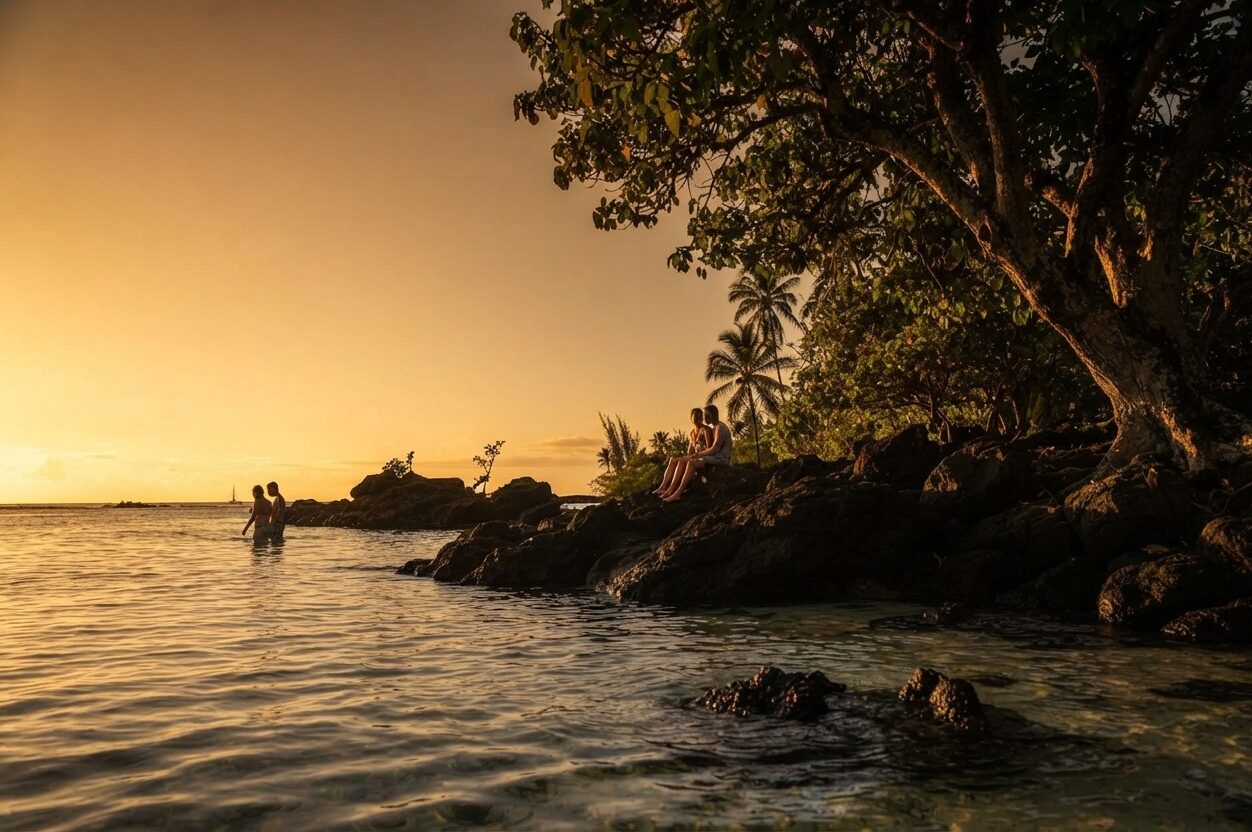
- Maui rewards 6–8 days minimum — enough for West Maui beaches, the Road to Hana, and a Haleakalā sunrise without rushing any of it.
- No COVID-era entry restrictions remain for Hawaii travel; ordinary US domestic ID rules apply now.
- Budget in approximate ranges for flights, lodging, a rental car, and food — Maui runs pricier than Oʻahu on average.
- For the island's fuller regional breakdown, see our Maui travel guide.
Introduction to Maui
What is Maui Like?
Maui is Hawaii's second-largest island, built from two volcanoes joined by a flat isthmus — the older, eroded West Maui Mountains and the much larger Haleakalā, which rises 10,023 feet above the island's eastern half. That split geography drives the climate too: West and South Maui stay dry and sunny (Kaanapali, Kihei, Wailea), while East Maui toward Hana runs wet and rainforest-green. Maui's charm sits in that contrast — you can snorkel a dry, sunny reef in the morning and stand in cool rainforest mist by afternoon, all on one island.
Travel Requirements and Security
Traveling to Hawaii: What You Need to Know
Maui is part of the US state of Hawaii, so mainland travelers need only a valid photo ID to fly — no passport. Kahului Airport (OGG) takes direct flights from many mainland cities, sparing you a connection through Honolulu. International visitors follow standard US entry rules with a passport and, depending on nationality, an ESTA or visa. Agricultural inspection applies on arrival and again for certain items moving between islands, so leave fresh fruit and plants out of your luggage.
COVID-19 Travel Restrictions for Hawaii
Hawaii's COVID-era travel restrictions — the pre-travel testing program, quarantine requirements, the Safe Travels system — all ended back in 2022, and no state-specific COVID entry rules remain in place for Maui or any other island today. Standard domestic travel rules apply, same as flying anywhere else in the US. It's still worth a quick check of current CDC or airline guidance before you fly, since travel health advisories can change for reasons unrelated to Hawaii specifically.
Exploring Maui
Top Activities and Attractions in Maui
The Road to Hana connects Kahului to Hana along roughly 60 miles and more than 600 curves, threading past waterfalls, black-sand beaches, and one-lane bridges — budget a full day, start early, and resist the urge to rush it. Haleakalā National Park protects the dormant volcano's crater, where sunrise above the cloud line draws visitors well before dawn; reservations are required for the sunrise viewing area and fill up fast. Molokini Crater, a crescent-shaped islet a few miles offshore, offers some of Maui's clearest snorkeling water, typically reached by morning boat tour. Iao Valley State Monument, near Wailuku, gives you a short paved walk to a lookout beneath the Iao Needle — a good half-day option when you want something easier.
- Road to Hana — full-day scenic drive, waterfalls, black-sand beaches
- Haleakalā National Park — sunrise reservations required, crater hikes
- Molokini Crater — boat-access snorkeling, strong visibility
- Iao Valley State Monument — short, paved, family-friendly
Understanding Maui's Culture
Lahaina served as the capital of the Kingdom of Hawaii in the early 1800s and later grew into a busy whaling port; its historic district suffered heavy damage in the August 2023 wildfire, and recovery continues, so check current conditions before building it into your route. Hawaiian culture on Maui isn't packaged for tourists only — treat heiau (sacred sites) with the same respect owed any place of worship, and understand "aloha" carries real weight beyond a casual greeting.
Accommodation and Transportation
Where to Stay in Maui
Kaanapali and Wailea hold most of the big beachfront resort brands, priced accordingly. Kihei runs cheaper, mostly condo-style stays a short drive from good beaches. Upcountry towns like Kula and Makawao offer quieter B&B-style stays with cooler, ranch-land air instead of ocean views.
| Area | Vibe | Approximate Nightly Range |
|---|---|---|
| Kaanapali / West Maui | Big resorts, beachfront | ~$350–$650 |
| Wailea | Upscale, quiet luxury | ~$400–$800 |
| Kihei | Condos, budget-friendlier | ~$180–$350 |
| Upcountry (Kula, Makawao) | Cool climate, B&Bs | ~$150–$300 |
Getting Around in Maui
A rental car is close to essential on Maui — public transit exists but runs limited routes and infrequent schedules, poorly suited to reaching Hana or Haleakalā's summit. Book a car with decent ground clearance if Upcountry roads or the Hana Highway's rougher stretches are on your route. Approximate rental costs run ~$50–$100 per day depending on season and vehicle class.
Planning Your Itinerary
How to Plan Your Days in Maui
Six to eight days lets you cover Maui properly without racing the clock. Front-load the Road to Hana early in the trip while you're fresh, since it's the most demanding single day. Save a slower beach day right after it. Time Haleakalā sunrise for whenever the forecast looks clearest — cloud cover at that elevation shifts fast, so check conditions close to the date rather than locking it in on day one.
| Day | Suggested Focus |
|---|---|
| 1 | Arrival, settle in, easy beach afternoon (Kaanapali or Kihei) |
| 2 | Road to Hana (full day) |
| 3 | Rest day, snorkeling near Kaanapali or Molokini boat tour |
| 4 | Haleakalā sunrise + Upcountry towns (Kula, Makawao) |
| 5 | Iao Valley + Wailuku, easy afternoon |
| 6–7 | Beach time, Wailea/Kihei, optional luau, departure buffer |
For a broader multi-island framework beyond Maui alone, see our Hawaii trip planner or the general how to plan a trip to Hawaii guide.
Best Time to Visit Maui
Shoulder seasons — April to May and September to October — bring lower airfare and thinner crowds than summer or the December holidays. Winter (roughly December through March) brings whale season, with humpback whales visible from shore in the Auau Channel, plus bigger surf on north-facing shores. Rain concentrates on the windward east side year-round, so Kaanapali and Wailea stay drier bets even in the wet season.
Finding Deals and Packages
Discovering Travel Deals for Maui
Official resources like gohawaii.com list current advisories and seasonal event calendars worth checking before booking. Package deals bundling flight, hotel, and sometimes a rental car can save money over booking separately, especially in shoulder season — compare providers on our Hawaiian vacation packages page before committing. Booking directly with hotels sometimes beats third-party sites once resort fees are factored in, so compare total price, not just the headline rate.
FAQ
How much does the average trip to Maui cost?
A week for two people typically runs approximately $3,000 to $6,500, depending on lodging choice and how many tours you book — Maui runs somewhat pricier than Oʻahu on average.
How many days are enough for Maui?
Six to eight days covers the island's highlights comfortably — the Road to Hana, Haleakalā, snorkeling, and real beach downtime — without feeling rushed.
What is the best month to visit Maui?
April, May, September, and October tend to offer the best mix of good weather, lower airfare, and lighter crowds.
Is $1000 enough for a week in Hawaii?
For Maui specifically, it's very tight — workable only with a shared budget condo, no rental car, and minimal paid activities. Most travelers should budget higher for this island in particular.
Round out your planning with the Maui travel guide hub, our Maui trip guide for a deeper day-by-day plan, or the ultimate Maui guidebook review if you'd rather have a printed reference along. Pack accordingly with what to pack for Hawaii for a week. Official park details are available at nps.gov, and current island information at gohawaii.com.