Hawaii Trip Planner: Island-by-Island Itinerary Builder
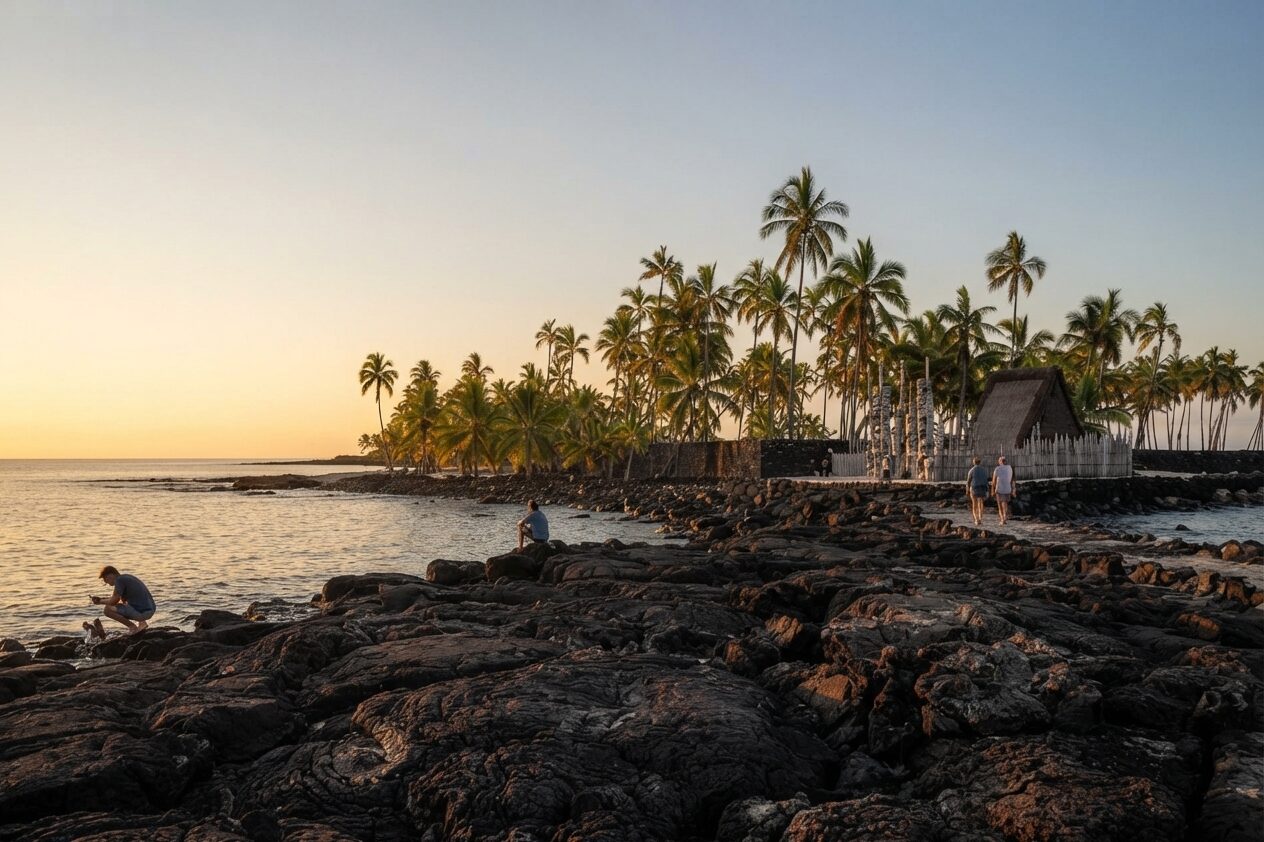
- Use this trip planner to pick an island, then drop in one of the day-by-day itinerary templates below — 5-day, 7-day, or 10-day.
- Weather and entry requirements barely change trip planning day to day, but they do change which island and month you should pick.
- Costs are approximate ranges — see our planning a trip to Hawaii guide for a fuller cost breakdown.
- Traveling with a disability or need emergency contacts on hand? Both are covered further down.
Understanding Hawaii and Its Islands
Introduction to Hawaii
Hawaii sits roughly 2,400 miles from the US mainland, a chain of volcanic islands strung across the central Pacific. The Hawaiian Islands include eight main islands, though visitors typically choose among four: Oahu, Maui, Kauai, and the Big Island (Hawaiʻi Island). Each has its own character — Oahu runs urban and historic, Maui leans resort and adventure, Kauai stays wild and green, and the Big Island covers everything from snow-capped Mauna Kea to active lava fields. Honolulu, on Oahu, anchors the state's culture, government, and busiest airport.
Exploring the Hawaiian Islands
Oahu holds Waikiki, Pearl Harbor, and the North Shore's big winter surf. Maui offers the Road to Hana, Haleakalā National Park, and Kaanapali's beach resorts. Kauai, the oldest and greenest island, centers around the Napali Coast and Waimea Canyon. The Big Island contains Hawaii Volcanoes National Park, Kona's coffee farms, and both Mauna Kea and Mauna Loa. First-timers usually do best picking one island; repeat visitors often add a second for contrast.
- Oahu — cities, history, surf culture
- Maui — Road to Hana, Haleakalā, beach resorts
- Kauai — Napali Coast, Waimea Canyon, quiet pace
- Big Island — volcanoes, stargazing, coffee country
Preparing for Your Trip
Weather Conditions in Hawaii
Hawaii runs two loose seasons: a drier one from around May to October and a wetter one from November to April, though "wet" mostly means afternoon showers rather than washouts. Coastal temps hold steady in the mid-70s to mid-80s Fahrenheit most of the year. Windward coasts (facing northeast) get more rain than leeward coasts, which is why Kona and Waikiki stay drier than Hilo or Hana. Winter brings bigger surf to north-facing shores and whale season off Maui and Lanai — plan around it if humpbacks are on your list.
Entry Requirements for Hawaii
US citizens need a valid photo ID for domestic flights to Hawaii; no passport required. International travelers follow normal US visa or ESTA rules. Agricultural inspection applies to anyone bringing fruit, plants, or soil into the islands, and again when flying between islands with certain produce. Keep documents handy but don't overthink this part — it's the most straightforward piece of the whole trip.
Crafting Your Itinerary
Creating a Day-by-Day Itinerary
Start with arrival and departure days as half-days only — don't schedule anything demanding right after a five-hour flight. Then alternate active days with rest days. Below are rough templates; swap activities for whichever island you've picked.
| Trip Length | Sample Structure |
|---|---|
| 5 days | Arrival + beach / 1 big hike or tour / 1 cultural site / beach + departure |
| 7 days | Arrival + beach / big scenic drive / snorkel or boat tour / rest day / hike / cultural sites / departure |
| 10 days | Two islands — split roughly 5–6 days and 4–5 days, with an inter-island flight or ferry between |
Book anything with limited daily permits — Haleakalā sunrise reservations, the Napali Coast trail permit, popular snorkel boats — as soon as your dates are firm. For a deeper build-out with example day plans, our how to plan a trip to Hawaii guide walks through it step by step, and the Maui-specific planner covers that island in detail.
Ensuring a Safe and Accessible Trip
Safety Tips for Travelers
Ocean conditions cause more visitor injuries in Hawaii than anything else — check posted beach flags and never turn your back on the surf, even on a "calm" day. On hikes, stay on marked trails; volcanic soil erodes fast and closed trails are closed for real safety reasons, not bureaucracy. In cities, ordinary precautions apply: don't leave valuables visible in a parked rental car, a favorite target for break-ins near trailheads and beach lots.
Resources for Travelers with Disabilities
Most major beaches on Oahu and Maui offer beach wheelchairs on request, usually free through county parks departments. National Park sites, including Hawaii Volcanoes and Haleakalā, maintain accessible overlooks and paved paths even where full trails aren't wheelchair-friendly. Larger resorts generally comply with ADA standards for rooms and pool access; call ahead for smaller condos and B&Bs to confirm specifics before booking.
Additional Resources and FAQs
Useful Contacts for Travelers
For emergencies, dial 911 anywhere in the state, same as the mainland. The Hawaii Tourism Authority and individual county visitor bureaus can point you toward current advisories. If you're arranging a package instead of building your own itinerary, compare providers on our Hawaiian vacation packages page before booking.
Frequently Asked Questions About Hawaii
First-time visitors tend to ask the same handful of things: which island to pick, how much to budget, and whether a rental car is necessary. Short answers — pick one island for a first week-long trip, budget in ranges rather than fixed numbers, and yes, rent a car outside of Waikiki-only stays. More logistics live in our Hawaii travel tips hub.
FAQ
Is $1000 ok for a week in Hawaii?
Only in very tight circumstances — think a shared budget condo, no rental car, and mostly free beaches and hikes. It's workable for one frugal traveler but rarely comfortable for two.
Is $2000 enough for a week in Hawaii?
For one person, generally yes, with budget lodging and modest dining. For a couple, it's doable if flights are already sorted and activities stay minimal.
Is $5000 enough for a week in Hawaii?
Comfortably, for two people — that range typically covers mid-range hotels, a rental car, regular restaurant meals, and a few paid tours.
How much should a Hawaii trip cost?
Most week-long trips for two land somewhere around $2,500 to $6,000 total, depending on island, season, and hotel class — treat it as an approximate range rather than a fixed figure.
Ready to build your list next? See what to pack for Hawaii for a week, or dig into an island guide directly: Oahu or the Big Island. Official planning resources live at gohawaii.com, and current weather forecasts at weather.gov.