Big Island Travel Guide: Kona, Hilo & Hawaii Volcanoes
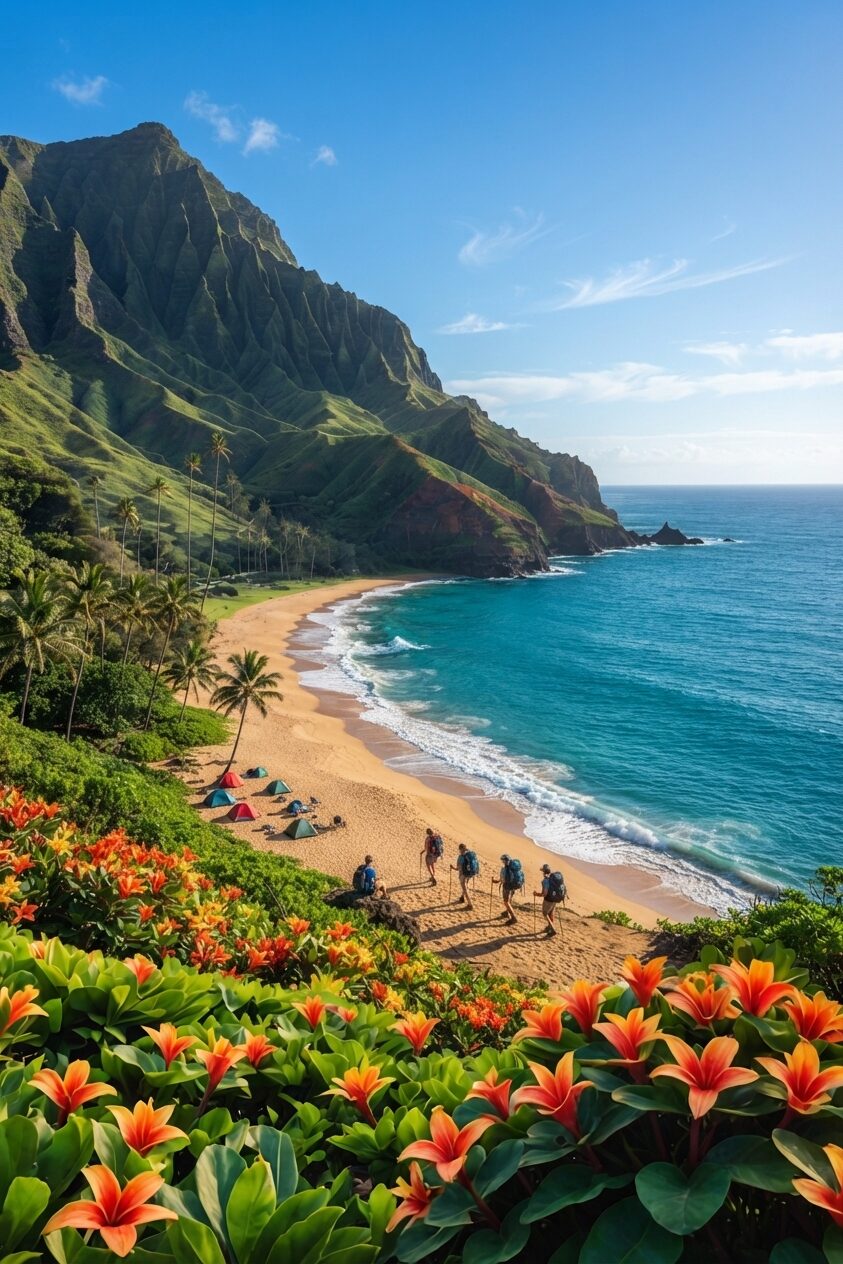
- The Big Island is bigger than all the others combined and holds most of Earth's climate zones.
- Kona is dry and sunny in the west; Hilo is lush and rainy in the east; Kīlauea and Mauna Kea sit between.
- Start with the Big Island Hawaii travel guide or plan a route with a week on Hawaii Island.
- See lava country on a Big Island tour.
Hawaii Island — the Big Island — is the young one, still growing where Kīlauea meets the sea. Hawaii Volcanoes National Park protects the active craters. Mauna Kea climbs to 13,800 feet, high enough for snow and world-class stargazing. Kona pours coffee and sunshine on the west coast; Hilo catches the rain and grows waterfalls and rainforest on the east. Distances are real here, so plan your driving.
- Big Island Hawaii Guide Book
Kona visitors guide picks and the best books for the island.
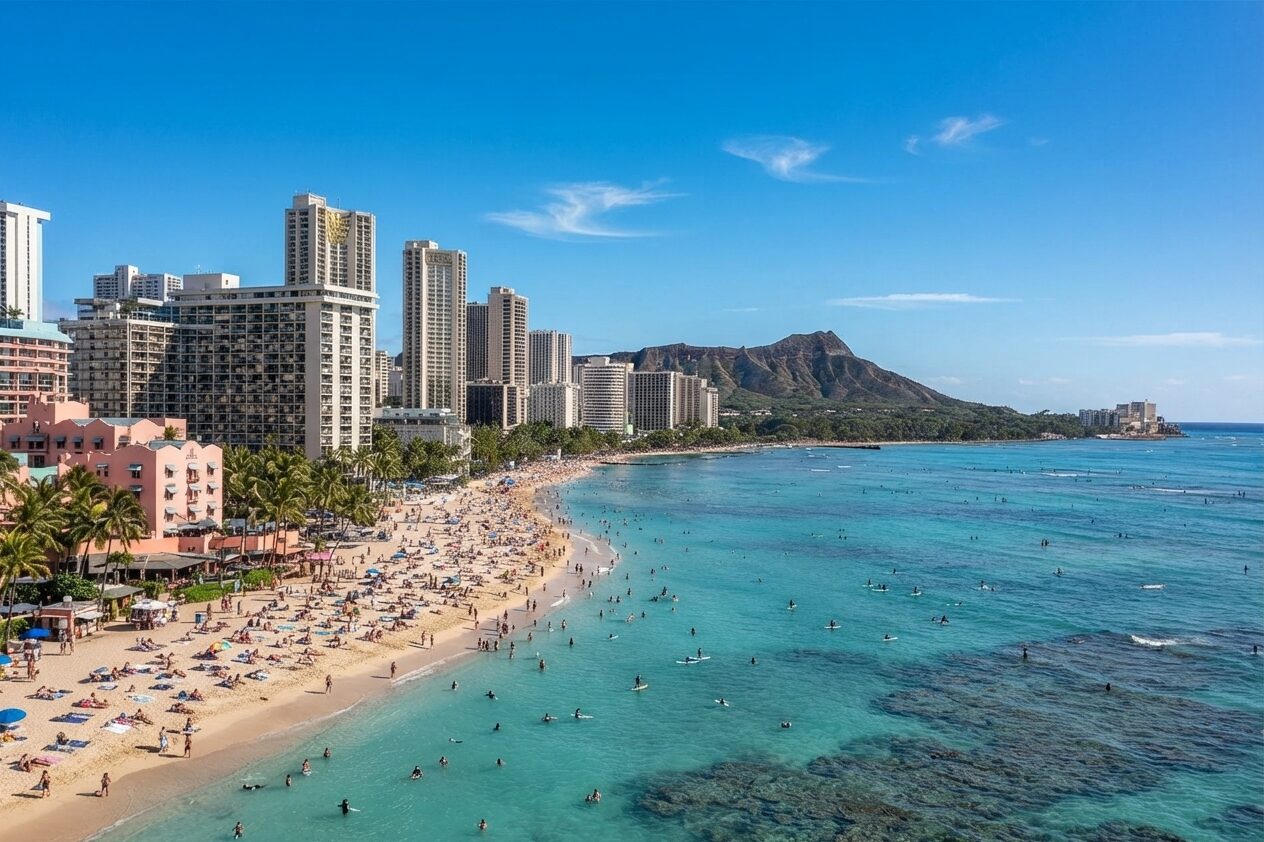 Big Island Hawaii Travel Guide
Kona, Hilo and Volcano travel tips.
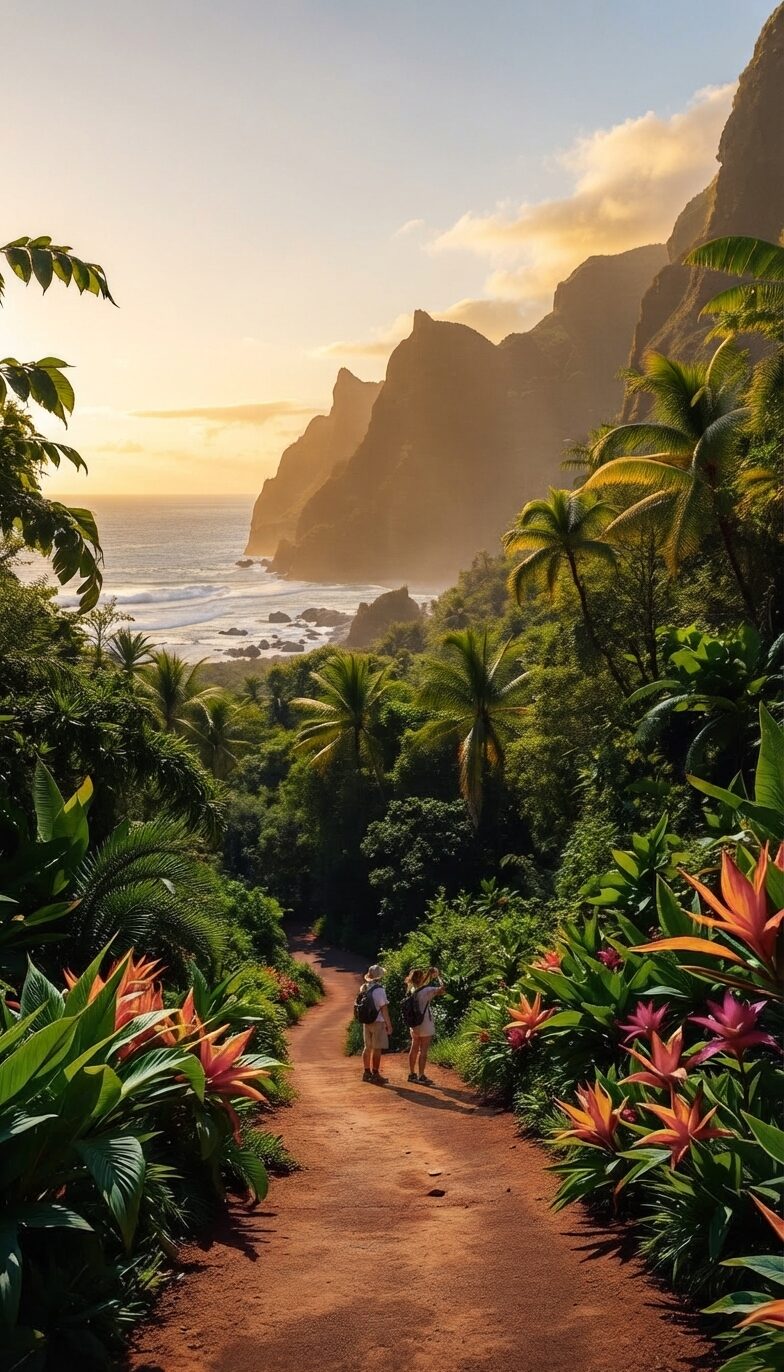 Big Island of Hawaii Travel Guide
The island's regions and highlights, mapped out.
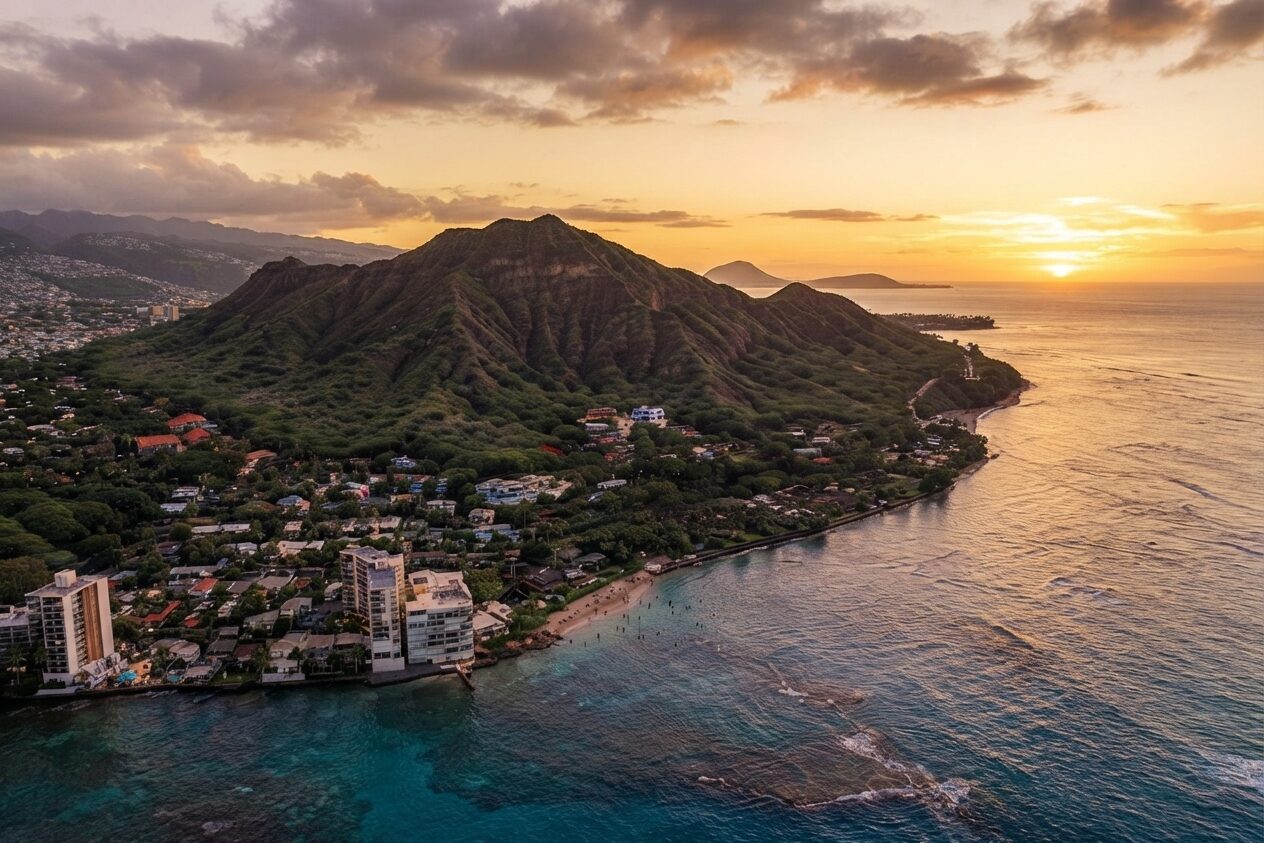 Big Island Travel Guide
A week-long plan from Kona beaches to Hilo rainforest.
West side or east side?
| Side | Base | Weather & vibe |
|---|---|---|
| West (Kona / Kohala) | Kailua-Kona, Waikoloa | Dry, sunny, resort beaches, coffee farms |
| East (Hilo / Puna) | Hilo | Wet, green, waterfalls, closer to the volcano |
Many first-timers base in Kona and make a long day trip to the volcano; others split nights between Kona and Hilo to cut the driving. The trip planner has route templates. Park status and safety live at Hawaii Volcanoes National Park (NPS). Official island info: Go Hawaii — Island of Hawaii.