Big Island Travel Guide: How to Spend a Week on Hawaii Island
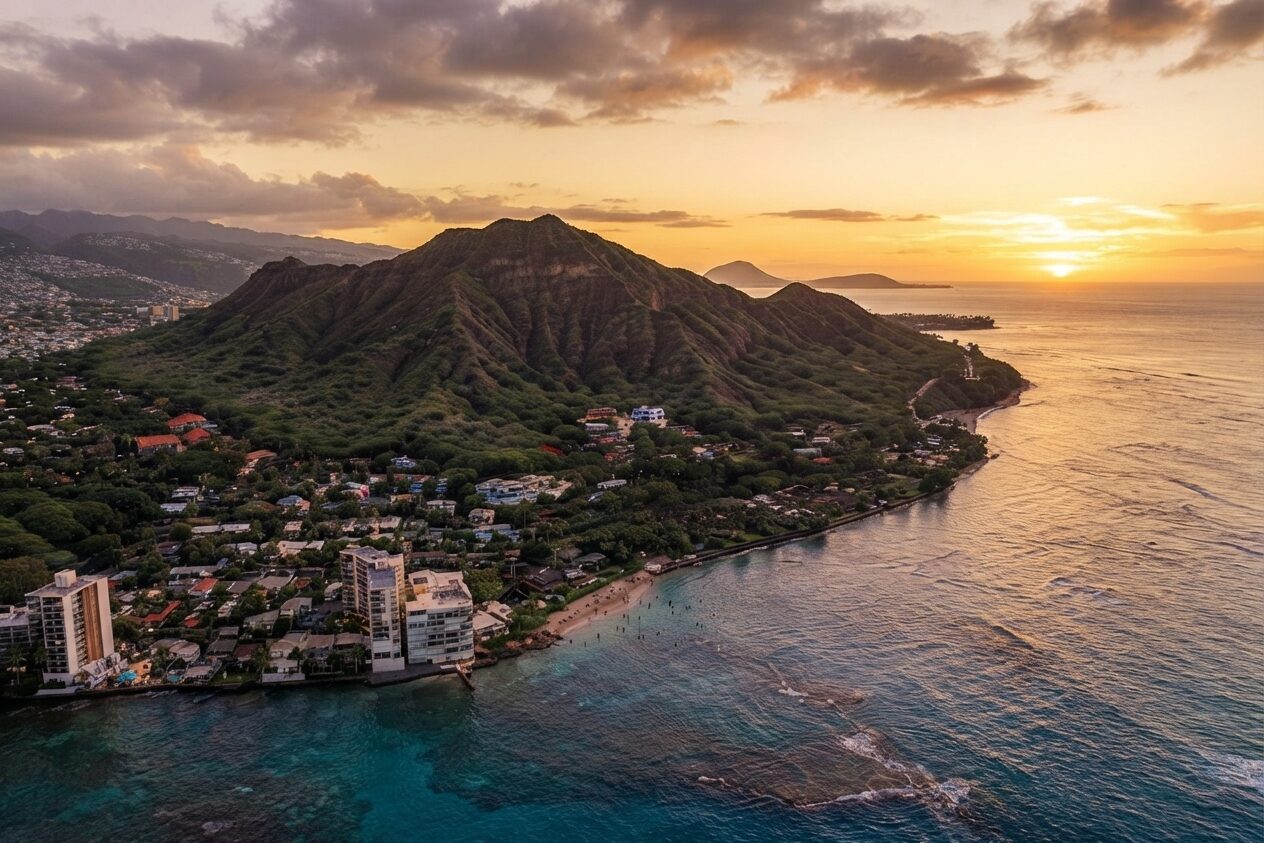
- The Big Island splits roughly into a dry west side and a wet, green east side — pick your base accordingly.
- Kīlauea Volcano, the Kohala Coast's beaches, and Kohala's golf courses cover the "big three" reasons people visit.
- A week is enough to see west and east sides properly if you don't try to sleep in a new town every night.
- Need the regional breakdown first? Start with our Big Island hub or the regions and highlights guide.
Understanding the Big Island
Geographical Layout of the Big Island
The Big Island is, unsurprisingly, big — about 4,000 square miles, roughly twice the size of Oʻahu. It splits into a west side and an east side with almost opposite personalities. The west side, around Kona and the Kohala Coast, sits in the rain shadow of Mauna Loa and Hualālai, so it stays dry and sunny most of the year, with black lava fields stretching along the highway for miles. The east side, anchored by Hilo, catches the trade winds head-on, which means rain — a lot of it — and correspondingly lush rainforest, waterfalls, and orchid farms. Neither side is "better." They're just different trips.
Cultural and Historical Significance
The Big Island holds real weight within the Hawaiian Islands' history — it's where Kamehameha I, the king who eventually unified the archipelago, was born and rose to power. Ancient heiau (temples), fishponds, and petroglyph fields survive across the island, especially near the Kohala and Kona coastlines. Hawaii's broader cultural identity — hula, chant, wayfinding by stars and swell — traces back partly to traditions that started or strengthened here, long before the islands became a single kingdom.
Key Attractions and Natural Landmarks
Must-See Attractions on the Big Island
Kīlauea Volcano sits inside Hawaiʻi Volcanoes National Park and remains one of the most active volcanoes anywhere on Earth. Crater Rim Drive, steam vents, and lava tube caves make it the single most-visited natural landmark among the Hawaiian Islands' many volcanic sites. Beyond Kīlauea, Mauna Kea's summit observatories and Waipiʻo Valley's jungle overlook round out the island's headline landmarks — between the three, you get ocean-level lava, alpine summit, and tropical valley within a single afternoon's driving radius.
Dreamiest Beaches to Visit
Hapuna Beach, wide and white-sand, usually tops the list, with calm summer swimming conditions and a state park setting. Punaluʻu's black sand draws crowds for the sand itself and for the green sea turtles that regularly haul out to rest. Kua Bay offers some of the clearest snorkeling water on the west side, though it can turn rough with any north swell. None of these beaches have a lot of shade, honestly — pack a sun umbrella if you burn easily.
| Beach | Sand Type | Best Feature |
|---|---|---|
| Hapuna Beach | White | Wide, calm swimming |
| Punaluʻu Beach | Black | Turtle sightings |
| Kua Bay | White | Clear snorkeling water |
Accommodations and Recreation
Luxurious Accommodations on the Kohala Coast
The Kohala Coast holds the Big Island's heaviest concentration of luxury resorts, most built around private coves and volcanic-rock landscaping that somehow makes lava fields look intentional. Rooms here run well above island average, but so does the service — full-service spas, multiple pools, direct beach access. Booking four to six months ahead makes sense for winter travel; shoulder season (spring, fall) leaves more room to book closer to the date.
Recreational Activities: Golf and More
Several of the Kohala Coast resorts built championship golf courses directly into old lava flows, which makes for a genuinely strange and scenic round — green fairways cutting through black rock, ocean on one side. Beyond golf, the coast supports snorkeling, stand-up paddleboarding, and manta ray night tours out of nearby Kona. It's a rare stretch of coastline where you could fill a week without leaving a five-mile radius, though that would mean skipping the volcano entirely — not recommended.
Planning Your Trip
Creating a Detailed Itinerary
A week works well split roughly in half: three or four nights based on the west side (Kona or Kohala Coast) for beaches and golf, then two or three nights near Hilo or the volcano for Kīlauea and the waterfalls. Trying to day-trip the volcano from Kona adds three-plus hours of driving round trip, which eats badly into park time. A useful Hawaii trip planning guide can help sequence flights, since Kona and Hilo airports both take direct routes.
| Days | Base | Focus |
|---|---|---|
| 1-3 | Kona or Kohala Coast | Beaches, golf, coffee farms |
| 4 | En route (Saddle Road) | Mauna Kea stargazing stop |
| 5-7 | Hilo / Volcano area | Kīlauea, waterfalls, Waipiʻo Valley |
Travel Logistics and Transportation
Rent a car — the Big Island simply isn't set up for tourists without one. Kona International Airport serves the dry west side; Hilo International serves the wet east side, and picking the airport nearest your first few nights saves an unnecessary transfer drive. Saddle Road (Route 200) connects the two sides across the island's middle and has been upgraded significantly, though some rental contracts still list it as restricted — read the fine print before you sign.
- Fly into whichever airport, Kona or Hilo, is closest to your first hotel.
- Book Kohala Coast resorts and golf tee times well ahead for winter travel.
- Split a week roughly 60/40 between the dry west side and the wet volcano/Hilo side.
- Check current road and eruption status on the National Park Service site before driving to Kīlauea.
For a deeper look at Kona and Hilo specifically, see our Big Island Hawaii travel guide, and for guidebook recommendations before you fly, check our Big Island guidebook comparison or the broader Lonely Planet Hawaii review. Prefer a guided trip over self-driving everything? Hawaii Big Island Tours covers that option, and general Hawaii planning starts at Plan a Trip to Hawaii.
Is a week enough for the Big Island?
Yes, a week is a solid amount of time to split between the dry west side and the wetter Hilo/volcano side, though longer trips let you add day trips to Waipiʻo Valley or Mauna Kea's summit without feeling rushed.
What side of the Big Island should I stay on?
Stay on the west side (Kona or Kohala Coast) for beaches, golf, and reliable sun; stay near Hilo or the volcano for waterfalls, rainforest, and easy access to Hawaiʻi Volcanoes National Park.
Do I need a car on the Big Island?
Yes — public transit is limited and infrequent, and the island's attractions are spread across roughly 4,000 square miles, so a rental car is close to essential for most itineraries.