Visitors Guide to Hawaii — Best Places to Go on a First Trip
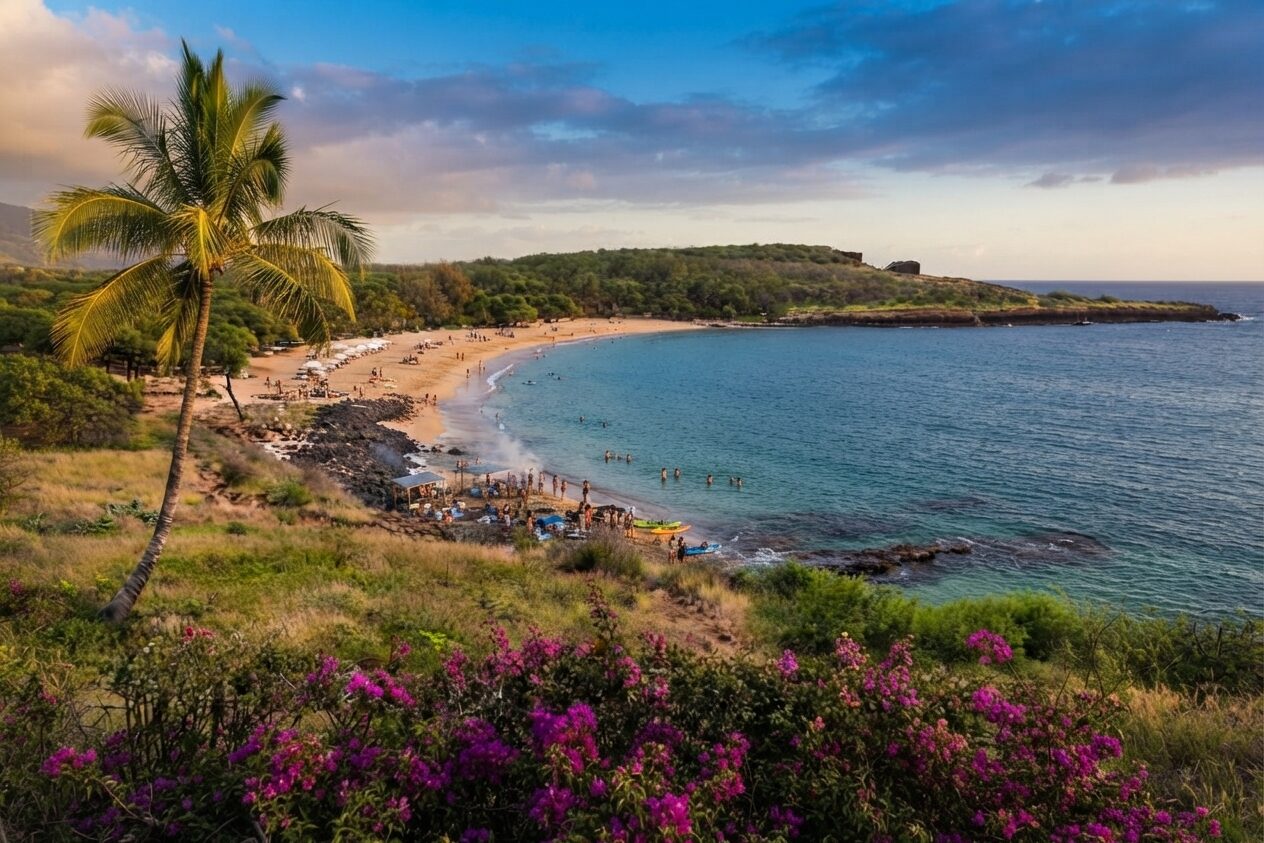
- This guide is about where to actually go once you've committed to Hawaiʻi — not just which island, but which town, beach, and neighborhood.
- Honolulu and Waikīkī remain the default first stop for most visitors, thanks to direct flights and dense hotel options.
- Maui, Kauaʻi, and the Big Island each reward a different kind of traveler — see the island breakdowns below.
- Pair this page with our Plan a Trip to Hawaii hub for booking logistics and budgeting.
People ask "where should I go in Hawaiʻi" more than almost any other travel question about the islands, and for good reason — the state spans four very different main islands plus a scattering of smaller ones. This guide walks through each island's standout places, then folds in the cultural and food side of a visit, since Hawaiʻi isn't really a beach-only destination no matter what the postcards suggest.
Introduction to Hawaiʻi
What Makes Hawaiʻi Worth the Flight
Hawaiʻi sits roughly 2,400 miles off the California coast, closer to nowhere than any other US state. That isolation shaped everything — unique plants and birds found nowhere else, a distinct language and culture, and a slower rhythm of life once you're off the resort strip. The official 2025-2026 Hawaiʻi visitors' guide materials put out by the state tourism board are worth a skim before you book, mostly for updated safety and reef-etiquette notes.
Attractions run from volcanic craters to rainforest waterfalls to a genuinely excellent food scene. Climate varies by coast more than by island — windward (east-facing) sides get more rain and lush green, leeward (west-facing) sides stay drier and sunnier. That's worth knowing before you pick a hotel.
Exploring the Islands
Discovering the Island of Hawaiʻi
The Big Island is where Kīlauea still erupts periodically inside Hawaiʻi Volcanoes National Park, and where you can drive from tropical coastline to a summit cold enough for snow in under two hours. Hilo, on the wet side, feels like an old plantation town. Kona, on the dry side, has the resorts and the coffee farms. Black-sand beaches like Punaluʻu sit near green-sand Papakōlea — genuinely rare geology worth the detour.
Maui: The Valley Isle
Maui built its reputation on the Road to Hana, a slow, curvy drive past waterfalls and small towns that takes most of a day round trip. Kaʻanapali and Wailea anchor the resort scene with some of the state's most reliable beach weather. Haleakalā National Park's summit sunrise is genuinely worth the 3 a.m. wake-up call, though reservations are required.
Kauaʻi: The Garden Isle
Kauaʻi is the oldest of the main islands and looks it, in a good way — deep canyons, sheer green cliffs, and a coastline you mostly can't drive to. The Nā Pali Coast is only reachable by boat, helicopter, or a serious hike; Waimea Canyon, sometimes called the "Grand Canyon of the Pacific," you can drive right up to. This is the island for people who'd rather hike than sunbathe.
Cities and Urban Experiences
Exploring Honolulu
Honolulu is Hawaiʻi's only real city, and Waikīkī Beach sits right inside it — a rare combination of urban convenience and genuinely good swimming. Pearl Harbor National Memorial and the USS Arizona draw history-focused visitors; Chinatown and the Bishop Museum round out the cultural side. Nightlife and shopping here beat anything on the neighbor islands by a wide margin.
Oʻahu: Beyond Honolulu
Drive an hour north from Waikīkī and you're in a different world — the North Shore, home to Pipeline and Waimea Bay, where winter swells draw the world's best surfers and summer turns the same waves flat and swimmable. Small towns like Haleʻiwa keep a surf-shack feel that Waikīkī lost decades ago.
Cultural and Culinary Experiences
Arts and Culture in Hawaiʻi
Hula isn't just a tourist show, though you'll see plenty of those too — it's a serious art form taught in halau (schools) across the islands, with real competitions like the Merrie Monarch Festival on the Big Island every spring. Ukulele and slack-key guitar, quilting, lei-making, and outrigger canoe paddling all carry centuries of practice behind them. Seek out a cultural center or a community event rather than just a hotel luau, if you have time for one.
Savoring Hawaiʻi Regional Cuisine
Poke — raw fish cubed and seasoned, usually with soy, sesame, and seaweed — probably travels best as a souvenir memory. Loco moco (rice, burger patty, egg, gravy) and plate lunch (meat, rice, mac salad) are the everyday staples locals actually eat. Farmers markets on every island sell tropical fruit you won't easily find at home — try lilikoʻi (passion fruit) and rambutan if you spot them.
Planning Your Trip
Using Local Directories and Resources
A good all-in-one directory of accommodations, tours, and activities saves hours of scattered searching. Our own Hawaii Tours & Excursions hub lists vetted operators by island, and Hawaii Guidebook Reviews covers the print guidebooks worth packing if you like paper maps as backup.
Creating a Detailed Itinerary
Most first-time visitors do best picking one or two islands rather than trying to cram in all four — inter-island flights and check-in/checkout days eat more time than people expect. A week works well for a single island; ten to fourteen days lets you comfortably add a second. Start building yours with our Hawaii Trip Planner.
| Trip Length | Realistic Island Count | Good Pairing |
|---|---|---|
| 5-7 days | 1 island | Oʻahu or Maui alone |
| 8-10 days | 1-2 islands | Oʻahu + Kauaʻi |
| 11-14 days | 2 islands | Maui + Big Island |
- Book inter-island flights and any Haleakalā or Waipiʻo sunrise permits before you land — some sell out weeks ahead.
- Leave one buffer day per island for weather — tropical downpours can close hiking trails and boat tours with little notice.
- Pack reef-safe sunscreen; some counties restrict oxybenzone and octinoxate formulas by law.
What do I wish I knew before going to Hawaii?
That distances look short on a map but drives take longer than expected on two-lane roads, and that tap water and basic groceries cost noticeably more than the mainland. Also, cell coverage gets patchy in remote valleys and along the Hana highway.
Can you wear red in Hawaii?
Yes — the old rumor about red being unlucky or gang-associated isn't really a thing tourists need to worry about. The only color etiquette worth knowing: avoid all-black-and-white combinations at a funeral, and skip loud prints at anything formal.
What is the prettiest town in Hawaii?
It's subjective, but Hanalei on Kauaʻi's north shore and Hana on Maui both get named constantly for their setting — mountains, waterfalls, and a slow pace that feels a world away from Waikīkī.
For entry requirements, agricultural inspection rules on flights, and TSA carry-on questions, check tsa.gov before you pack.