Big Island of Hawaii Travel Guide: Regions, Highlights, and Itinerary Basics
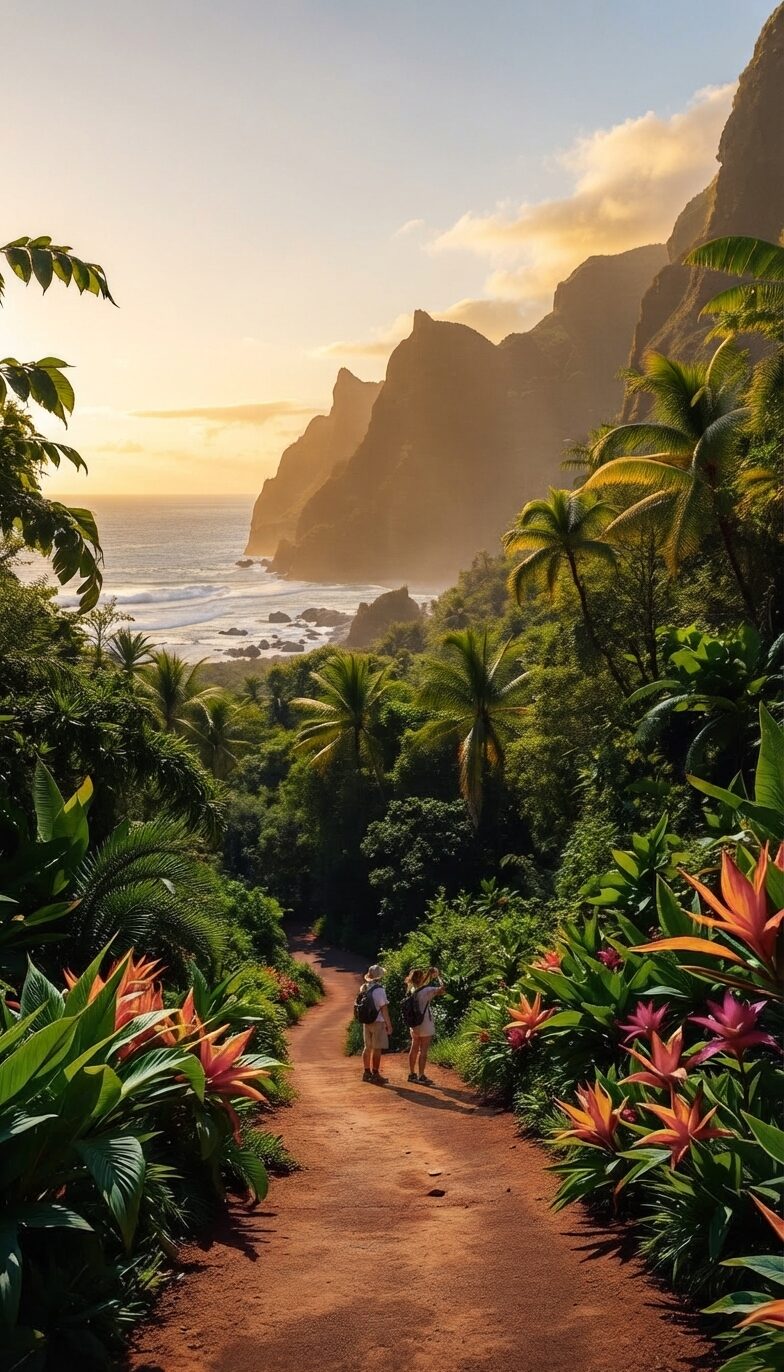
- The Big Island splits into distinct regions — Kona, Hilo, Kohala Coast, and Hawaiʻi Volcanoes National Park — each with a different climate and vibe.
- Kona handles the sunny, resort-and-beach crowd; Hilo leans wetter, greener, and closer to the volcano.
- Kīlauea Volcano and Mauna Kea are the two headline natural attractions, roughly two hours apart by car.
- A week-long itinerary can realistically cover 3-4 of these regions — see our Big Island itinerary guide for day-by-day pacing.
Introduction to the Big Island
Overview of the Big Island
The Big Island of Hawaiʻi is part of the Hawaiian Islands chain, sitting at the southeastern end where the volcanic hotspot currently churns. It's the youngest island geologically and the largest by land area — bigger than Oʻahu, Maui, and Kauaʻi added together. Where those islands have had millions more years to erode into sharp green ridgelines, the Big Island still shows bare lava rock across large stretches of its western half. That contrast — jet-black coastline next to snow on Mauna Kea in winter — is really the whole pitch for visiting.
Travel Logistics
Two airports serve the island: Kona International (on the dry west side) and Hilo International (on the wet east side). Most mainland flights route through Kona; Hilo mostly handles interisland hops. A rental car is close to essential since the island has no real tourist-oriented public transit — the Hele-On Bus exists but runs on a schedule built for commuters, not sightseers. Plan on 1.5 to 3 hours of driving between major regions, and budget extra time near the volcano where roads occasionally close for eruption activity.
Where to Stay on the Big Island
Accommodation Options in Kona
Kailua-Kona is the tourism hub of the west side — condos, mid-range hotels, and a walkable oceanfront strip with sunset-facing restaurants. It's dry almost year-round, which is a real selling point if you've had a rainy Hilo trip before. Coffee farms in the hills above town (Holualoa, Captain Cook) make for an easy half-day detour without needing to drive far.
Accommodation Options in Hilo
Hilo feels like a real working town rather than a resort strip, and prices reflect it — generally cheaper than Kona or the Kohala Coast. It rains often here, sometimes for days, which keeps the surrounding rainforest and waterfalls (Rainbow Falls, Akaka Falls) lush. Staying in Hilo puts Hawaiʻi Volcanoes National Park about 45 minutes away, closer than from almost anywhere else on the island.
Luxury Stays on the Kohala Coast
North of Kona, the Kohala Coast is where the big resort brands concentrate — golf courses, private beach coves, spa complexes built into old lava fields. It's the most expensive lodging zone on the island by a wide margin, but also the most reliably sunny and calm-watered. Booking early matters here, especially December through March.
| Region | Climate | Best For | Key Sights |
|---|---|---|---|
| Kailua-Kona | Dry, sunny | Budget-to-mid travelers, coffee tours | Kailua Pier, Kona coffee farms |
| Kohala Coast | Dry, sunny | Luxury resorts, golf | Hapuna Beach, Mauna Kea Beach |
| Hilo | Wet, lush | Budget travelers, volcano access | Rainbow Falls, Hilo Bayfront |
| Volcano area | Cool, misty | Hikers, geology fans | Hawaiʻi Volcanoes National Park |
Exploring the Big Island's Attractions
Must-See Attractions
Hawaiʻi Volcanoes National Park protects Kīlauea, one of the most continuously active volcanoes anywhere, plus miles of hiking through lava tubes, steam vents, and old caldera floor. Mauna Kea, a dormant volcano topping 13,800 feet, hosts world-class observatories and a visitor station running nightly stargazing. Both attractions demand a little planning — road conditions and eruption status change, and Mauna Kea's summit access requires a 4x4.
Cultural and Historical Sites
Puʻuhonua o Hōnaunau National Historical Park, south of Kona, preserves a genuine pre-contact place of refuge — worth an hour even for visitors who usually skip historical sites. Hilo's Pacific Tsunami Museum covers the devastating 1960 wave that reshaped the town's bayfront. Together these sites give the Big Island a depth beyond beaches and lava that a lot of first-time visitors miss.
Activities and Experiences
Outdoor and Adventure Activities
Hiking the Kīlauea Iki crater trail drops you onto a solidified lava lake that was molten rock in 1959 — genuinely strange to walk across. Kohala Coast waters suit snorkeling and manta ray night dives near Kona. Mauna Kea's stargazing tours run most clear nights, weather and vog (volcanic haze) permitting. Waipiʻo Valley, reachable by steep 4x4 road or a punishing hike, adds a jungle-valley contrast to all the volcanic rock.
Local Cuisine and Dining
Kona-grown coffee is one of the only commercially significant coffees grown in the US, and farm tours around Holualoa let you taste it straight off the roaster. Hilo's farmers market — Wednesdays and Saturdays — sells tropical produce rarely seen on the mainland. Plate lunch and poke bowls show up everywhere from gas stations to sit-down restaurants in both towns; don't write off the gas station spots, some of the best food on the island comes from them.
Practical Travel Tips
Travel Tips and Safety
Vog — volcanic smog from Kīlauea — can affect air quality, especially downwind on the south and west sides; travelers with asthma should check daily conditions. Lava rock shorelines are sharp; reef shoes help. Ocean conditions shift by season, so a calm beach in summer can turn genuinely dangerous with winter swell.
Itinerary Planning
A one-week trip realistically covers Kona or the Kohala Coast for a few nights, then a night or two near the volcano, with Hilo as a day trip or overnight in between. Trying to "do the whole island" from a single base usually means too much driving and not enough time actually outside the car. See our Big Island travel guide for a full week-by-week breakdown.
Environmental and Conservation Efforts
Hawaiʻi Volcanoes National Park runs active native forest restoration projects, fencing out invasive feral pigs and goats to protect endemic plants. Mauna Kea's summit is subject to ongoing conservation and cultural-access debates, since it's both a scientific site and sacred ground in Hawaiian tradition. Visitors can help simply by staying on marked trails and not removing lava rock — a superstition about bad luck aside, it's just good conservation practice.
- Base yourself in at least two regions for a week-long trip rather than one.
- Check the National Park Service site for current Kīlauea eruption and trail status.
- Pack for both tropical heat and near-freezing summit temperatures on Mauna Kea.
For book-based planning, our Big Island guidebook picks compare the major print options, including how they stack up against the Lonely Planet Hawaii review, and the Big Island Hawaii travel guide covers attractions and beaches in more depth. Guided options are covered at Hawaii Big Island Tours, general trip logistics live at Plan a Trip to Hawaii, and the Big Island hub ties all of this together.
What region should I stay in on the Big Island?
Kona or the Kohala Coast suit travelers who want sun and beach resorts; Hilo suits those prioritizing the volcano and waterfalls, with more rain as the tradeoff.
How far apart are Kona and Hilo?
About 90 minutes to two hours by car depending on route — the Saddle Road cuts across the island's middle, while the coastal routes north and south take longer but pass more scenery.
Is Hawaiʻi Volcanoes National Park worth visiting?
Yes — it's one of the most distinctive national parks in the US, with active lava features, extensive hiking, and lava tube caves, and it's usually the single most-recommended stop on the island.