Oahu Travel Guide: Waikiki, North Shore & Visitor Tips
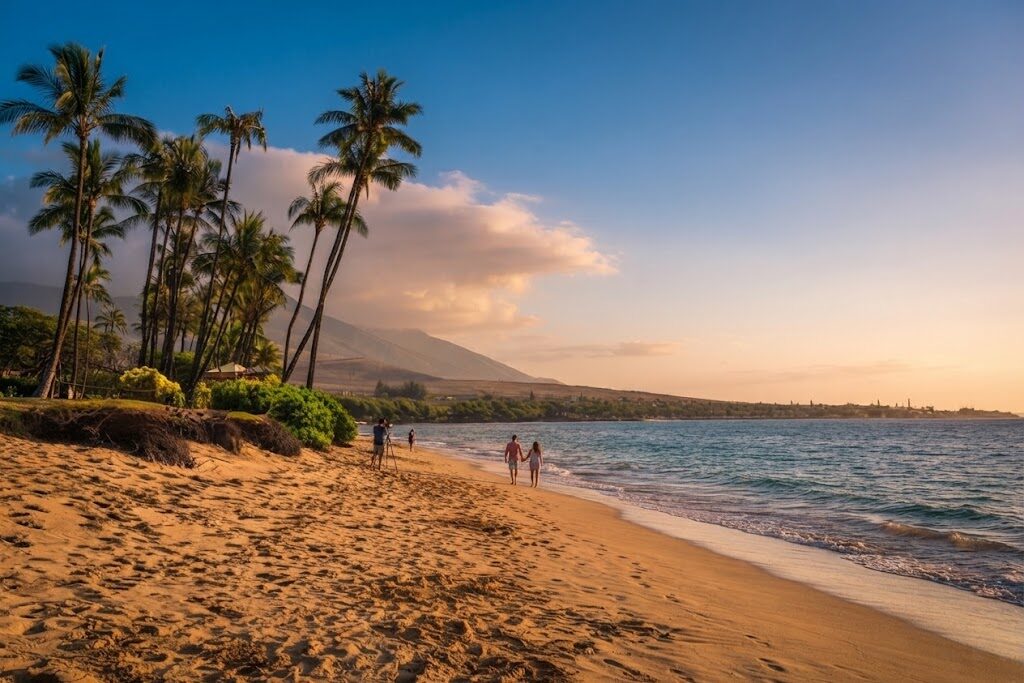
- Oahu holds Honolulu, Waikiki Beach, Pearl Harbor, the North Shore and Diamond Head — more variety per square mile than any other Hawaiian island. See the Oahu hub for the full island breakdown.
- Stay in Waikiki for beach access and nightlife, or base near Kailua for a quieter, more local pace.
- Pearl Harbor and Hanauma Bay both require advance reservations — book those before you land, not after.
- Winter (November–February) brings 30-foot swells to the North Shore; summer flattens the waves and turns it into a sleepy surf town.
Introduction to Oahu
Overview of Oahu
Oahu is the third-largest island in the Hawaiian chain, and it carries most of the state's population inside a footprint you can drive across in under two hours. Honolulu anchors the south shore. The North Shore, Windward Coast and Leeward Coast each feel like a different island entirely — glass towers give way to red-dirt farm roads within thirty minutes of downtown. A solid travel guide for Oahu has to juggle city logistics, beach culture, military history and hiking all at once, because the island genuinely offers all four in walking distance of each other.
Honestly, first-timers underestimate how much ground there is to cover here. Waikiki alone could eat a week. Add Pearl Harbor, Diamond Head, Hanauma Bay and the North Shore surf towns, and a seven-day trip starts to feel tight.
Exploring Honolulu
Top Attractions in Honolulu
Honolulu is Oahu's capital and the state capital of Hawaii. Iolani Palace sits downtown — the only official royal residence on American soil, built for King Kalakaua in 1882. Chinatown spreads a few blocks away, packed with noodle shops, lei stands and an arts scene that gets lively during First Friday gallery walks. Ala Moana Center, one of the largest open-air malls in the country, borders Ala Moana Beach Park and mixes luxury shopping with a genuinely nice swimming beach.
- Iolani Palace — Hawaiian monarchy history, guided and self-guided tours
- Chinatown — food stalls, art galleries, lei shops
- Ala Moana Center and Beach Park — shopping plus a calm swimming lagoon
- Bishop Museum — the state's largest collection of Hawaiian and Pacific artifacts
Beaches and Water Activities
Waikiki Beach: Surfing and Sunbathing
Waikiki Beach put Hawaii on the tourist map back in the early 1900s, and it still draws the biggest crowds on the island. The waves here are gentle and slow-breaking, which makes it one of the few places on Earth where a total beginner can stand up on a surfboard in an afternoon lesson. Catamaran rides launch straight off the sand. At night the strip along Kalakaua Avenue turns into open-air bars, tiki lounges and street performers — not subtle, but fun.
Iconic Beaches of Oahu
Past Waikiki, Oahu's beach lineup gets more specialized. Lanikai Beach, near Kailua, is routinely ranked among the prettiest beaches in the country — powder sand, turquoise water, twin Mokulua islands offshore. Sunset Beach and Pipeline on the North Shore turn into world championship surf arenas every winter. Kailua Beach Park offers calmer water for kayaking and paddleboarding.
| Beach | Best For | Vibe |
|---|---|---|
| Waikiki Beach | Beginner surf lessons, people-watching | Busy, resort-lined |
| Lanikai Beach | Swimming, photos, kayak launch | Quiet, residential |
| Sunset Beach / Pipeline | Watching pro surfers (winter) | Dramatic, less crowded in summer |
| Hanauma Bay | Snorkeling | Protected, reservation-only |
Historical and Cultural Sites
Visiting Pearl Harbor
Pearl Harbor anchors one of the heaviest chapters of American history on Oahu's south shore. The USS Arizona Memorial floats above the sunken battleship where over 1,100 sailors remain entombed since the December 7, 1941 attack. Pearl Harbor National Memorial is managed by the National Park Service and admission to the memorial itself is free, though timed tickets go fast — reserve online weeks ahead if you can. Give the visit a half day; the USS Missouri and the Pacific Aviation Museum sit on the same grounds if you want more.
Cultural Experiences at the Polynesian Cultural Center
Out on the North Shore near Laie, the Polynesian Cultural Center recreates six Pacific island villages — Hawaii, Samoa, Tonga, Fiji, Tahiti and Aotearoa — staffed largely by students from the neighboring university. Expect canoe pageants, fire knife dancing and a luau in the evening. It's touristy by design, but the craft demonstrations are genuinely taught by people from those cultures, not actors reading a script.
Adventure and Outdoor Activities
Exploring the North Shore
The North Shore runs from Haleiwa town to Sunset Beach and functions as the surf capital of the world every winter, when swells can top 30 feet at Waimea Bay and Pipeline. Come summer, the ocean goes nearly flat and the same beaches turn into some of the calmest snorkeling spots on the island. Haleiwa itself is worth a slow afternoon — shave ice, food trucks, and a handful of surf shops that have been there since the 1960s.
Hiking Trails: Diamond Head
Leahi, better known as Diamond Head, is the volcanic tuff cone that shapes Honolulu's skyline from every postcard. The hike to the summit runs under a mile each way but climbs through a WWII-era tunnel and a steep staircase, gaining roughly 560 feet. Go early — permits are timed now, and the crater gets hot and shadeless by mid-morning. The payoff is a 360-degree view of Waikiki, the Koolau Range and the open Pacific.
Sustainable and Responsible Travel
Participating in Malama Oahu Initiatives
Malama Oahu is the island's push toward regenerative tourism — visitors give something back instead of just consuming a beach chair and a mai tai. Some hotels now offer a discount for a few hours of volunteer reef cleanup or native tree planting. It's a small ask, and it matters on an island where over-tourism has genuinely strained trails and reefs.
Visiting Hanauma Bay Nature Preserve
Hanauma Bay is a collapsed volcanic crater turned marine sanctuary, and it protects one of the healthiest reef systems left on Oahu's south shore. Visitors watch a short conservation video before entering — mandatory, and worth paying attention to. Reservations open online days in advance and the bay closes Mondays and Tuesdays to let the reef rest. Snorkel gear rents on-site if you didn't pack your own.
Is one guide enough to plan an Oahu trip?
Mostly, yes — pair this Oahu travel guide with a packing list and you've covered logistics, beaches, history and hiking. For deeper day-by-day planning, our Hawaii travel guide to Oahu goes further into itineraries.
How many days should I spend on Oahu?
Five to seven days covers Honolulu, Waikiki, Pearl Harbor, Diamond Head and at least one North Shore day trip without rushing. Shorter trips work but force hard choices.
Do I need a car on Oahu?
A car helps a lot outside Waikiki. TheBus covers the island reasonably well and rideshare is everywhere, but the North Shore and Windward Coast are far easier with your own wheels.
What's the best time of year to visit Oahu?
April–June and September–October bring good weather with fewer crowds than the winter holidays. Winter brings the famous surf but also higher prices and rain on the Windward side.
Planning around all this gets easier with a private guide who already knows which parking lot fills up by 7am. Our Oahu private tour guide covers exactly that kind of local knowledge, and the Lonely Planet Hawaii review is worth a look if you want a paper backup for offline stretches. For citywide specifics, our Honolulu travel guide and the Oahu travel guide book roundup both dig deeper, and general packing and safety notes live on Hawaii travel tips.
For official alerts on trail closures, ocean conditions or holiday hours, check gohawaii.com and the National Park Service page for Pearl Harbor National Memorial before you go.