Hawaii Trip Advice: Etiquette, Safety, and Local Know-How
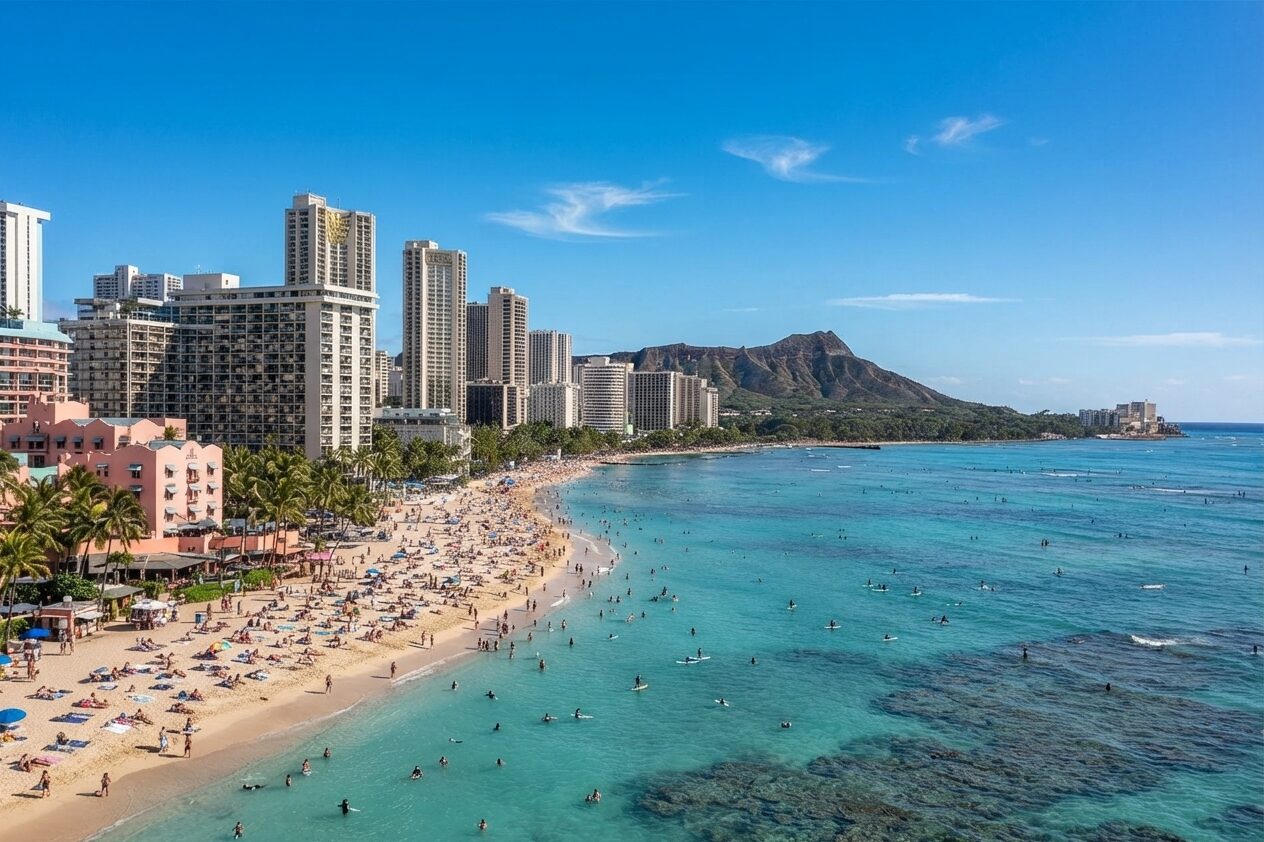
- Ocean drownings are the leading cause of visitor deaths in Hawaii — check lifeguard flags and never turn your back on the surf.
- Pono means doing right by the land and its people; ask before hiking private or sacred land, and pack out what you bring in.
- Reef-safe sunscreen is state law, and it protects the coral reefs snorkelers travel here to see.
- Choosing between Oahu, Maui, Kauai, and the Big Island? Our Hawaii Travel Tips hub compares all four.
General Travel Tips for Hawaii
Basic Travel Tips for Visiting Hawaii
Good Hawaii trip advice starts with pono — a Hawaiian concept roughly meaning righteousness or doing things the right way. In travel terms, that means respecting beach access rules, not trespassing onto private land for a photo, and treating cultural sites as sacred rather than scenery. Hawaiians call sacred or restricted places kapu; a rope line or small sign usually marks them, and it's worth honoring even when no one's watching.
Pack light, breathable clothing — cotton and linen handle humidity better than synthetics. Stay hydrated; tropical sun dehydrates faster than most visitors expect, even on cloudy days. Reef-safe sunscreen, meaning mineral formulas without oxybenzone or octinoxate, has been required by Hawaii law since 2021 specifically to protect coral reefs from chemical bleaching.
Travel Safety Tips in Hawaii
Ocean safety deserves its own paragraph, because it's the risk visitors most often underestimate. Shore break — waves collapsing directly on the sand — has caused serious spinal injuries at beaches like Sandy Beach on Oahu. Rip currents pull swimmers out, not under; if caught in one, swim parallel to shore rather than fighting it. Lifeguard flags and posted signs exist for a reason, and plenty of Hawaii's more remote beaches have no lifeguard at all.
| Risk | Where it shows up | What to do |
|---|---|---|
| Ocean currents & shore break | North Shore Oahu (winter), Sandy Beach, Hanalei Bay | Check flags, ask lifeguards, never turn your back on the water |
| Flash floods | Road to Hana, Napali Coast trails, valley hikes | Avoid streambeds after rain, turn back if water rises fast |
| Strong sun | All islands, especially at elevation on Haleakalā | Reef-safe sunscreen, hats, midday shade breaks |
| Car break-ins | Trailhead and beach parking lots | Leave nothing visible, park where other cars are present |
Keep valuables out of sight in rental cars — trailhead parking lots see regular break-ins across every island. Save emergency numbers before you head out: 911 works statewide, and most towns have a small clinic even if the nearest hospital is an hour away.
Planning Your Journey to Hawaii
Best Flight Options to Hawaii
Flying into Honolulu usually opens up the most direct-flight options and the cheapest interisland connections afterward, even if your final stop is Maui or Kauai. Compare Hawaiian Airlines, Alaska, Delta, and United directly rather than relying only on aggregator sites, since baggage and seat-selection fees vary. Booking 2 to 4 months ahead typically beats both last-minute deals and booking too far out. Our Planning a Trip to Hawaii guide walks through the full booking order if you're starting from scratch.
Choosing the Right Hawaiian Islands to Visit
Oahu suits travelers who want city amenities alongside beach time. Maui leans toward resorts, the Road to Hana, and whale watching season from roughly December to April. Kauai skews wilder and quieter, built around the Napali Coast. The Big Island covers the widest range of climates on one landmass, from Hawaii Volcanoes National Park's lava fields to snow-capped Mauna Kea in winter. Most first trips do better picking one or two islands rather than trying to cover all four.
Exploring Hawaii's Natural and Cultural Attractions
Outdoor Activities in Hawaii
Snorkeling, surfing, and hiking make up most of Hawaii's outdoor draw. Hanauma Bay on Oahu and Molokini Crater off Maui both offer easy snorkeling with visible coral and reef fish. Hawaii Volcanoes National Park protects an active Kīlauea on the Big Island, with ranger-led programs worth building a day around. Stick to marked trails — going off-path damages fragile volcanic and native plant ecosystems that take decades to recover.
Experiencing Hawaiian Culture
A traditional luau, done well, offers real Hawaiian food — kalua pork, poi, lomi salmon — alongside hula and chant performed with intention, not just tourist theater. Look for luaus connected to a cultural center or family-run operation rather than the cheapest hotel package. Local festivals, like Merrie Monarch on the Big Island each spring, showcase competitive hula at a level most visitors never expect exists. Museums like Iolani Palace and the Bishop Museum round out the picture with real history behind the postcard version of the islands.
Detailed Planning for Your Hawaii Stay
Planning Your Stay in Honolulu
Honolulu works as a base for Pearl Harbor National Memorial, Waikiki Beach, and Diamond Head, all within a 20-minute drive of each other. Staying in Waikiki proper means walkable restaurants and beach access but higher prices; a few miles out in Kaimuki or Kakaako trades a short drive for noticeably lower rates. TheBus covers most of the island if you'd rather skip a rental car altogether.
Creating a Detailed Itinerary for Your Hawaii Trip
Balance matters more than density. Pair one big active day — a hike, a snorkel trip — with one slow day of beach time and short errands. Build in a buffer day with no plans at all; weather, energy, and traffic all tend to eat into schedules more than expected. Leave room for something unplanned, whether that's a roadside shave ice stand or a beach you spot from the car. If you're still building your packing list, our Hawaii Trip Tips page covers first-timer gear and logistics in more depth.
FAQ
Is $5000 enough for a week in Hawaii?
For most couples, yes — that budget usually covers flights, a mid-range hotel or condo, a rental car, a handful of paid excursions like a snorkel tour, and a reasonable mix of restaurant and grocery meals.
What I wish I knew before going to Hawaii?
How seriously to take ocean safety. Waves that look gentle from the sand can carry real force, and shore break injuries send visitors to the hospital every year. Respecting posted flags isn't overcaution — it's standard local practice.
What is the best month to visit Hawaii?
April, May, September, and October tend to offer the best mix of good weather, lower crowds, and softer prices, sitting between winter's peak season and summer's school-break rush.
Is $1000 enough for a week in Hawaii?
Only for a very lean solo trip — hostel-style lodging, groceries over restaurants, free beaches and hikes, and public transit rather than a rental car. For a couple or family, plan on considerably more.
For lifeguard and ocean safety updates, the Hawaii Department of Land and Natural Resources posts current advisories. Go Hawaii covers official events and travel updates, and the National Weather Service issues high surf and flash flood warnings worth checking each morning of an active day.