Hawaii Travel Tips: 13 Things to Know Before You Go
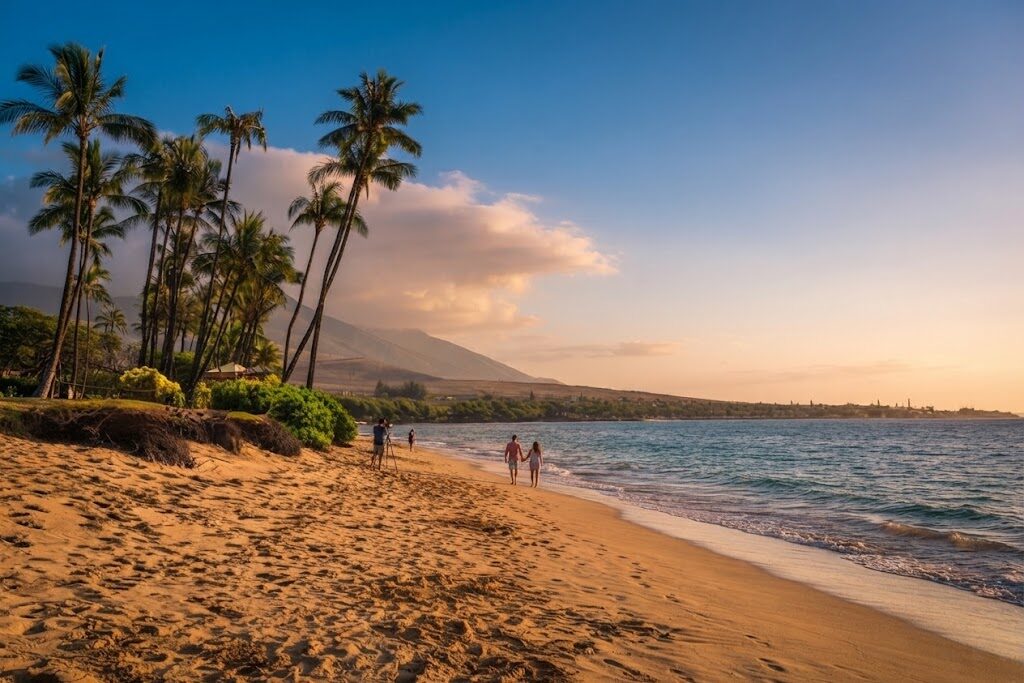
- Hawaii banned the sale of reef-harming sunscreen ingredients in 2021 — pack reef-safe sunscreen before you fly.
- Ocean conditions shift by the hour. Check lifeguard flags and currents before anyone in your group swims.
- Oahu, Maui, Kauai and the Big Island each have a different personality — pick the one that matches your trip, not just the cheapest flight.
- First-timer? Our Hawaii trip tips and Hawaii trip advice pages dig deeper into packing, etiquette, and safety.
Getting Started with Hawaii Travel
Basic Travel Tips for Visiting Hawaii
Hawaii sits about 2,400 miles from the U.S. mainland, so the trip itself takes planning. The islands run on Hawaii-Aleutian Standard Time, which stays two to three hours behind Pacific time and doesn't observe daylight saving. Weather swings hard between coastlines: the windward side of Oahu gets rain most weeks, while the leeward Kona coast on the Big Island stays dry and sunny for months. Pack for both.
Here are 13 things worth knowing before you land:
- Reef-safe sunscreen is required by state law — mineral formulas with zinc oxide or titanium dioxide, no oxybenzone or octinoxate.
- Rental cars book up fast and cost more than most mainland cities; reserve early.
- Tap water is safe to drink on all four major islands.
- Cell coverage drops out along remote coastlines and inside valleys — download offline maps.
- "Aloha" and "mahalo" go a long way; locals notice visitors who bother to learn a little.
- Flip-flops are called "slippers" here, and you'll be asked to remove them at doors.
- Shave ice, poke, and malasadas are worth detouring for.
- Beach access is public by law, even in front of resorts.
- Hiking trails close quickly after heavy rain due to flash flood risk.
- Sunrise at Haleakalā requires a reservation booked through the National Park Service.
- Interisland flights run frequently but aren't cheap — budget $80 to $200 one-way.
- Some beaches have no lifeguard at all; read posted signage carefully.
- Traffic on Oahu's H1 freeway can turn a 20-minute drive into an hour during rush hour.
Respect matters as much as logistics. Hawaiian culture calls this being pono — doing right by the land and the people who live here. Skip the "aloha shirt and lei on arrival" cliché and instead just slow down, ask before hiking onto private or sacred land, and treat the islands as someone's home rather than a theme park.
Planning Your Hawaii Vacation
Start with a budget and a timeline, then work backward. A week in Hawaii for a couple typically runs from a lean $2,500 to $6,000+ depending on the island, the season, and whether you're renting a car and eating out every night. Peak season runs mid-December through mid-April and again in summer; shoulder months like May, September, and October usually mean lighter crowds and softer prices.
Go Hawaii, the state's official tourism site, is a solid starting point for events calendars and current advisories. Our own Planning a Trip to Hawaii guide walks through booking order — flights, then lodging, then car and activities — and What to Pack for Hawaii for a Week covers the full packing list, reef-safe sunscreen included.
Exploring Hawaii's Top Destinations
Must-See Places in Hawaii
Honolulu anchors most first trips, since Daniel K. Inouye International Airport handles the bulk of long-haul flights. Maui draws travelers for the Road to Hana and Haleakalā's crater rim. Oahu pairs city life in Waikiki with the North Shore's big-wave beaches. Each island rewards a slower pace — trying to see three in one week usually means seeing none of them well.
Travel Tips for Visiting Honolulu
Honolulu runs TheBus, an affordable public transit system that reaches most of Oahu, so a rental car isn't mandatory if you're staying near Waikiki. Pearl Harbor National Memorial and Iolani Palace sit within a short drive of downtown. For food, skip the hotel buffet at least once and try a plate lunch spot — rice, mac salad, and a protein, usually under $15. Waikiki Beach gets crowded by 10 a.m.; Ala Moana Beach Park a mile west is quieter and just as swimmable. Our Honolulu neighborhood guide (linked under Oahu below) breaks down the details block by block.
Island-Specific Travel Advice
Travel Tips for Oahu
Oahu holds Waikiki Beach, Hanauma Bay's snorkeling reef, and the North Shore's winter surf breaks — three very different versions of the same island. Book Hanauma Bay's entry slot online in advance; walk-ins get turned away on busy days. Hiking trails like Diamond Head also require reservations now. Traffic is real here, so build buffer time into any cross-island plan. Full details live on our Oahu Travel Guide.
Travel Tips for Maui
The Road to Hana connects Kahului to the small town of Hana along roughly 64 miles of one-lane bridges and waterfall pullouts — plan a full day, not an afternoon. Haleakalā rises 10,023 feet above sea level, and sunrise visitors need that advance reservation mentioned earlier plus a warm jacket; it's cold up there year-round. Winter months, roughly December through April, bring humpback whales close enough to shore to watch from a beach chair. More at our Maui Travel Guide.
| Island | Best for | Vibe | Getting around |
|---|---|---|---|
| Oahu | Nightlife, history, first-timers | Urban energy meets classic beach | Rental car or TheBus |
| Maui | Road to Hana, whale watching, resorts | Polished and scenic | Rental car essential |
| Kauai | Hiking, Napali Coast, quiet | Wild and green | Rental car essential |
| Big Island | Volcanoes, stargazing, variety of climates | Rugged, spread out | Rental car, expect long drives |
Kauai and the Big Island round out the four main visitor islands. Kauai's Napali Coast draws hikers and boat tours; the Big Island's Hawaii Volcanoes National Park protects an active Kīlauea. Read our Kauai Travel Guide and Big Island Travel Guide before you book.
Cultural Insights and History
Understanding Hawaiian Culture and History
The Hawaiian monarchy ruled a unified kingdom from 1795 until an 1893 overthrow backed by American businessmen, a history still felt in local politics today. Hula tells stories through movement and chant; a lei given in welcome carries real meaning, not just decoration. Iolani Palace in Honolulu and the Bishop Museum both cover this history with more nuance than a beach vacation usually allows for — worth an afternoon if you're curious. Some sites are kapu, meaning restricted or sacred; respect posted boundaries even when a spot looks like a great photo op.
Advanced Travel Tips for Hawaii
Expert-Level Travel Advice for Hawaii
Once the basics are handled, the smaller choices start to matter more. Farmers markets on Saturday mornings — Hilo's is a favorite — beat resort gift shops for local produce and crafts. Renting snorkel gear from a local shop instead of a big-box chain usually supports a family business and gets you better-fitted equipment. Traveling with kids? Build in downtime between activities; Hawaii rewards a slow pace more than a packed itinerary. Sustainable travel matters here too — stick to marked trails, don't touch coral, and consider a volunteer beach cleanup if your schedule allows. Our Hawaii Trip Advice page (linked above) covers etiquette and safety in far more depth, and Hawaii Trip Tips breaks down packing and logistics for first-timers.
FAQ
Is $1000 enough for a week in Hawaii?
It's tight but possible for one budget-minded traveler — think hostel or shared lodging, groceries over restaurants, free beaches and hikes, and public transit on Oahu. For a couple or a family, $1,000 usually covers only flights or lodging, not both.
What I wish I knew before going to Hawaii?
Most first-timers underestimate drive times and overestimate how much they'll see in a week. Interisland hopping eats days fast; picking one or two islands and slowing down tends to make for a better trip than a rushed island tour.
Is $5000 enough for a week in Hawaii?
Yes, for most couples this covers a comfortable mid-range trip: flights, a decent hotel or condo, a rental car, and a mix of restaurant meals and groceries, plus a couple of paid tours or excursions.
What are the do's and don'ts in Hawaii?
Do respect beach access, ask before hiking on private land, and use reef-safe sunscreen. Don't touch or stand on coral, take lava rock or sand as souvenirs, or ignore ocean safety flags — Hawaii's shore breaks are stronger than they look.
Sources worth bookmarking: Go Hawaii, the state's official tourism site, and the Hawaii Department of Land and Natural Resources for ocean safety alerts and reef protection rules. The National Park Service handles reservations for Haleakalā sunrise and Hawaii Volcanoes National Park.