Hawaii Big Island Tours: Volcano, Waterfall & Circle Island Trips
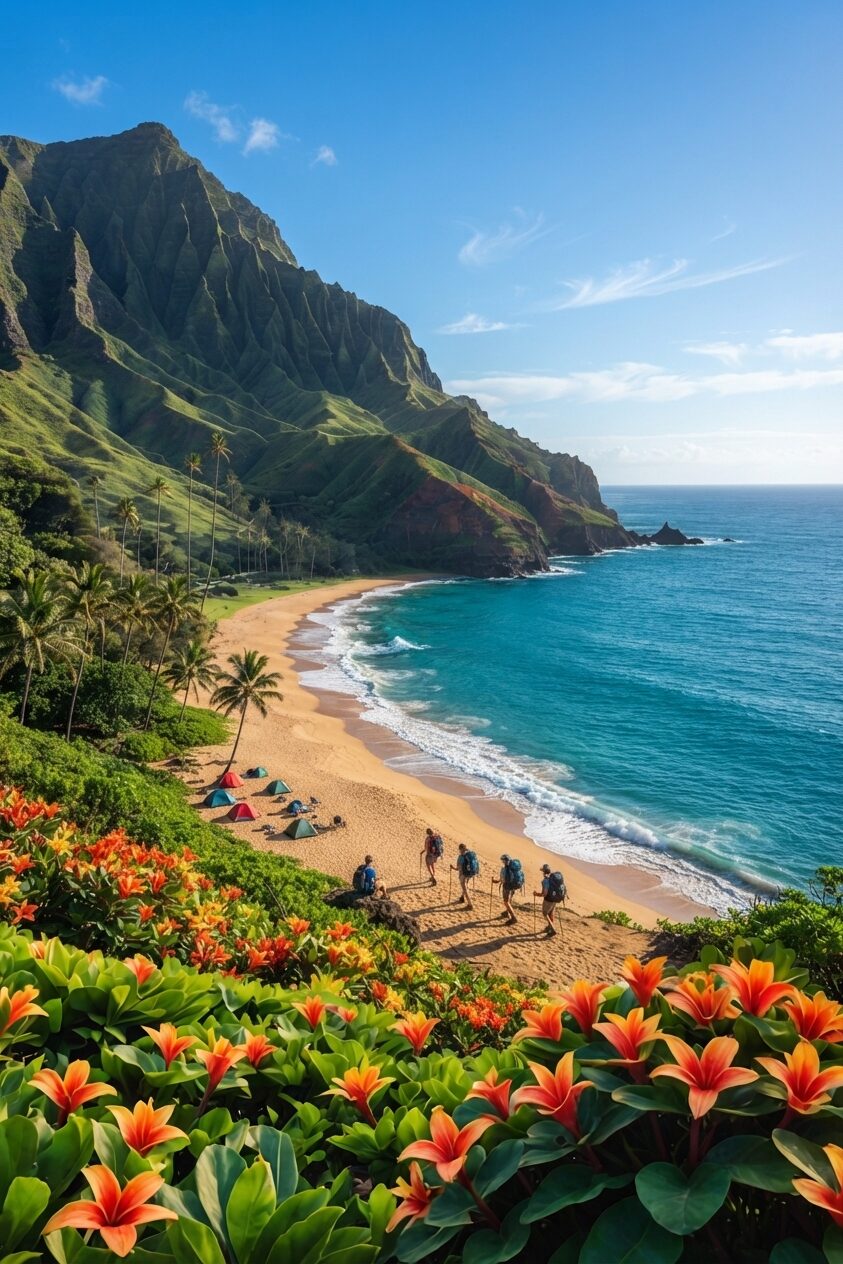
- The Hawaii Circle Island Tour is the classic way to see the Big Island in a single day, looping past waterfalls, lava fields, and old plantation towns.
- Roberts Hawaii and a handful of smaller operators run these trips, usually in air-conditioned motorcoaches or smaller vans.
- Expect a long day, 8 to 12 hours, with Hawaii Volcanoes National Park as the anchor stop.
- Pair a guided day tour with a self-drive day for the best of both worlds — see our Big Island travel guide for a full trip framework.
Big Island tours exist because the island is enormous, honestly bigger than people expect. It's larger than all the other Hawaiian Islands combined, and driving it solo in a week can eat entire vacation days. A guided circle island tour solves that by putting someone else behind the wheel while you watch Kīlauea steam in the distance.
Introduction to Big Island Tours
Overview of Hawaii Circle Island Tour
The Hawaii Circle Island Tour loops around the Big Island in a single long day, connecting Hilo, the Hāmākua Coast, Waimea, and the Kona side. The Big Island itself covers roughly 4,000 square miles across five volcanoes. That scale is exactly why circle tours got popular in the first place — no rental car required, no route planning, just a seat by the window.
What makes the Circle Island format different from a single-site excursion is breadth. One tour touches rainforest, ranchland, black lava desert, and a national park, often in the same afternoon. Maybe that sounds exhausting. It kind of is, but it's also the fastest way to get oriented before renting a car later in your trip.
Tour Operators on the Big Island
Roberts Hawaii runs some of the longest-standing circle island itineraries out of Hilo and Kona, using coach buses with local drivers who narrate along the way. Roberts Hawaii has operated in the islands for decades and is a name most Hawaii travel agents recognize immediately.
Smaller operators fill in the gaps — vans that hold eight to fourteen people, aimed at travelers who'd rather skip a 40-seat bus. A few boutique companies run 4x4 tours up toward Mauna Kea's summit for stargazing, which is a genuinely different product from the daytime circle tour. Ask what vehicle size you're booking; it changes the whole feel of the day.
Highlights of the Hawaii Circle Island Tour
Natural Attractions: Waterfalls and Volcanic Landscapes
Waterfalls anchor the Hāmākua Coast leg of most circle tours. Akaka Falls, a 442-foot cascade near Honomū, is the one nearly every itinerary stops at, reached via a short paved loop trail through bamboo and ginger. Rainbow Falls, closer to downtown Hilo, is a quicker roadside stop but still worth the five minutes.
Volcanic landscapes are the other half of the draw. Hawaii Volcanoes National Park protects Kīlauea, one of the most active volcanoes on Earth, along with miles of hardened lava fields you can walk across. Steam vents near the Kīlauea Visitor Center hiss right by the parking lot — no hike required to feel like you're standing somewhere genuinely volcanic. Tour buses typically budget an hour or two here, which is tight but workable.
Cultural and Historical Sites
Historic sites break up the natural scenery nicely. Parker Ranch near Waimea tells the story of Hawaii's paniolo (cowboy) heritage, a piece of island history a lot of first-time visitors don't expect. Old sugar plantation towns along the Hāmākua Coast — Honokaa among them — show what the island's economy looked like before tourism took over.
These stops add texture that a straight nature tour would miss. A good driver-guide will talk through Hawaiian place names and the history behind them as the bus rolls past, which honestly is half the value of going guided instead of self-drive.
Tour Logistics and Options
Tour Duration and Schedule
Most circle island tours run 8 to 12 hours, departing early — often 7 or 8 a.m. — and returning after dark. That's a full day, snacks and bathroom breaks included but not much downtime otherwise. Some operators split the loop into a shorter Volcano-only half-day and a separate Waterfalls/Waimea half-day for travelers who don't want the marathon version.
Schedules shift seasonally. Winter days are shorter, so some companies trim stops or start earlier to beat sunset. Ask ahead if you have mobility limits or young kids — a 10-hour bus day is a lot to ask of a six-year-old.
Pricing and Packages
Pricing varies by operator, group size, and whether meals are included. Below is a rough, approximate comparison across the common formats.
| Tour Type | Best For | Rough Price Range (approx., per adult) |
|---|---|---|
| Full circle island coach tour | First-timers wanting a complete overview | $150–$220 |
| Half-day Volcano-only tour | Short stays, cruise-ship stopovers | $90–$140 |
| Small-van (8–14 seat) tour | Travelers who dislike big coaches | $180–$260 |
| Private/custom guided tour | Families, photographers, flexible itineraries | $400–$800+ (per group) |
Multi-day passes and combo tickets sometimes bundle a Big Island tour with helicopter add-ons or Mauna Kea stargazing. Always confirm what's included — park entrance fees, lunch, and hotel pickup aren't universal across operators.
Cultural and Environmental Context
Cultural Insights and Historical Context
The Big Island carries deep Polynesian roots, and a decent tour guide treats that as more than trivia. Ancient Hawaiians settled the island in waves of Polynesian voyaging canoes centuries before Western contact, and place names across the route — Kīlauea, Waipiʻo, Hāmākua — still carry that history. Some operators partner with cultural practitioners for storytelling stops, which adds real depth if you can find one that does.
Environmental Impact and Management
Volcanic landscapes are fragile in ways that aren't always obvious. Lava fields look indestructible but support slow-growing native plants that recover from foot traffic over years, not days. Reputable operators stick to marked trails and coordinate with the National Park Service on closures during active eruptions or high sulfur dioxide days. If you're booking independently, check current conditions before you go — volcanic activity can close sections of the park with little notice.
Customization and Booking
Customizing Your Tour Experience
Private and small-group operators will usually swap stops on request — more time at Akaka Falls, less time in Waimea, an extra photo stop along the Hāmākua cliffs. Ask before booking rather than assuming. Coach tours run fixed routes; private tours flex.
- Ask if lunch is included or a stop for purchase only.
- Confirm pickup locations — Kona-side and Hilo-side hotels aren't always both served.
- Check group size caps if you want more one-on-one time with the guide.
- Ask about rain contingency plans; the Hāmākua Coast gets wet.
Booking Process and Policies
Book circle island tours a few days to a couple of weeks ahead during peak season (summer, winter holidays). Most operators take online reservations with a credit card hold and allow free cancellation up to 24–48 hours out — policies vary, so read the fine print. If you're combining this with a trip to Kauai or Oahu, book your Big Island day early since it tends to anchor the rest of the itinerary.
For general trip-sequencing advice, our Hawaii trip planning guide covers how to slot a tour day into a longer multi-island trip, and Hawaii travel tips has packing and logistics notes worth a skim beforehand. For official park hours and alerts, check the National Park Service Hawaii Volcanoes page and Hawaii Tourism Authority's gohawaii.com before you lock in dates.
Curious how the Big Island compares to guided options elsewhere? See our Oahu private tour guide and Captain Andy's Kauai boat tours writeup, or head back to the Hawaii Tours hub for the full lineup.