Hawaii Travel Guide 2026 — Plan Your First Trip to the Islands
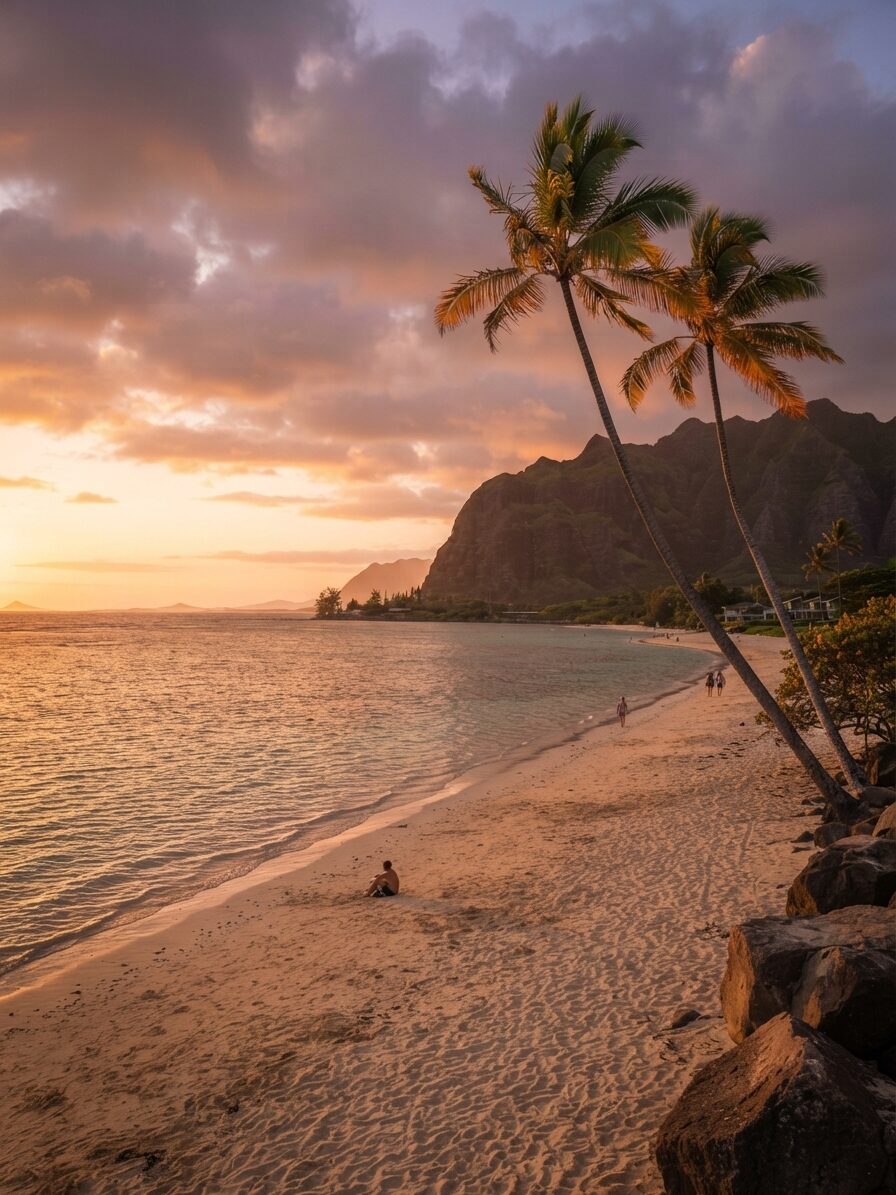
- Hawaiʻi is a chain of eight main islands; almost every visitor picks between Oʻahu, Maui, Kauaʻi, and the Big Island.
- Honolulu, on Oʻahu, is the main international gateway and home to Waikīkī Beach.
- Most first-timers do well with one or two islands per trip — start planning at Plan a Trip to Hawaii.
- Budget, season, and interests (beaches vs. volcanoes vs. hiking) should drive which island you pick — see our comparison table below.
Hawaiʻi sits nearly 2,400 miles from the US mainland, a volcanic archipelago in the middle of the Pacific. The state includes hundreds of islands and islets, but travelers really only need to know four: Oʻahu, Maui, Kauaʻi, and the Island of Hawaiʻi, commonly called the Big Island. Each one has its own airport, its own personality, and honestly, its own fan club. This guide is the front door to everything else on this site — where to go, how much to budget, when to fly, and which islands fit which kind of trip.
Hawaiʻi attracts close to ten million visitors a year, drawn by warm water, volcanic landscapes, and a culture that predates statehood by centuries. The islands formed one at a time as the Pacific Plate crept over a stationary hotspot, which is why the Big Island still has active lava flows while Kauaʻi, the oldest of the main four, has eroded into deep, green canyons. Geology aside, what matters for planning is this: no single island does everything, and no single trip needs to try.
Why Hawaiʻi Is Different From Any Other US Vacation
Hawaiʻi became the 50th state in 1959, but Hawaiian culture and language go back over a thousand years before that. Visitors notice it immediately — place names, food, music, the concept of aloha as something closer to a value system than a greeting. Waikīkī Beach in Honolulu draws crowds for a reason: warm, calm water and a walkable strip of hotels and restaurants right behind it. But five minutes outside the resort zones on any island, the pace slows down fast.
Hawaiʻi Regional Cuisine blends Native Hawaiian, Japanese, Chinese, Filipino, and Portuguese influences into dishes you won't find quite the same way anywhere else — poke, loco moco, plate lunch, malasadas. Arts and culture run just as deep: hula halau (schools), slack-key guitar, lei-making, outrigger canoe paddling. A good trip touches at least one of these, not just the beach.
Comparing the Four Main Islands
Picking an island is the first real decision in planning a Hawaiʻi trip. Here's the short version.
| Island | Best For | Vibe | Don't Miss |
|---|---|---|---|
| Oʻahu | First-timers, nightlife, history | Urban energy meets classic beach | Waikīkī Beach, Pearl Harbor, North Shore surf breaks |
| Maui | Couples, resorts, road trips | Polished, upscale, scenic | Road to Hana, Haleakalā sunrise, Ka'anapali beaches |
| Kauaʻi | Hikers, nature lovers, quiet | Wild, green, unhurried | Nā Pali Coast, Waimea Canyon, Hanalei Bay |
| Big Island | Volcanoes, stargazing, variety | Raw, huge, still forming | Hawaiʻi Volcanoes National Park, Mauna Kea, black-sand beaches |
Oʻahu makes sense if this is your first trip and you want a mix of city, beach, and history within a short drive. Maui suits travelers who want polish — good resorts, good roads, a famous drive. Kauaʻi rewards people who'd rather hike a ridge line than lie on a lounge chair. The Big Island is the outlier: bigger than the other three combined, with snow-capped Mauna Kea and lava fields within the same afternoon's drive.
Getting There and Getting Around
Most flights land at Honolulu's airport on Oʻahu, though Kahului (Maui), Līhuʻe (Kauaʻi), and Kona or Hilo (Big Island) all take direct mainland flights too. Interisland hops run about 30-45 minutes on Hawaiian Airlines and a couple of smaller carriers. Renting a car is close to mandatory outside Waikīkī — public transit exists but it's slow, and taxis add up fast over a week.
- Book interisland flights early if your itinerary spans more than one island — schedules thin out in shoulder season.
- A 4x4 isn't required on any main island, but it helps on Kauaʻi's north shore roads and parts of the Big Island's Saddle Road.
- Rideshare coverage is solid in Honolulu, patchy to nonexistent once you leave town.
Where This Guide Fits
Think of this homepage as the map, not the territory. For deeper planning — budgets, itineraries, packing lists — head to Plan a Trip to Hawaii. For general do's and don'ts, see Hawaii Travel Tips. If you'd rather have someone else handle logistics on the ground, Hawaii Tours & Excursions covers guided options island by island. And if you're still deciding which island fits you, the Visitors Guide to Hawaii goes deeper on that exact question, while our Hawaii Vacation Guide breaks down realistic budgets by trip length.
Is $1000 ok for a week in Hawaii?
It's tight but doable for one person if you camp or stay in a hostel, cook some meals, and skip car rentals in favor of a bike or bus. For two people sharing a hotel room and a rental car, $1000 total for the week is unrealistic once flights are factored in — budget closer to $150-250 per person per day for a modest trip.
What is the best month to visit Hawaii?
April-May and September-October usually bring good weather, lower prices, and thinner crowds since they fall between the winter holiday rush and summer school break. Winter brings whale season (roughly December-March) but also higher prices and more rain on windward coasts.
Where should first-timers go in Hawaii?
Oʻahu is the easiest first trip — direct flights, a wide range of hotels, and enough variety (beach, city, history, hiking) to fill a week without a car being strictly necessary in Waikīkī. Many first-timers pair Oʻahu with Maui for a beach-and-resort combination.
For official conditions and safety updates before you go, check gohawaii.com, the state's tourism authority site, and weather.gov for marine and surf advisories.